
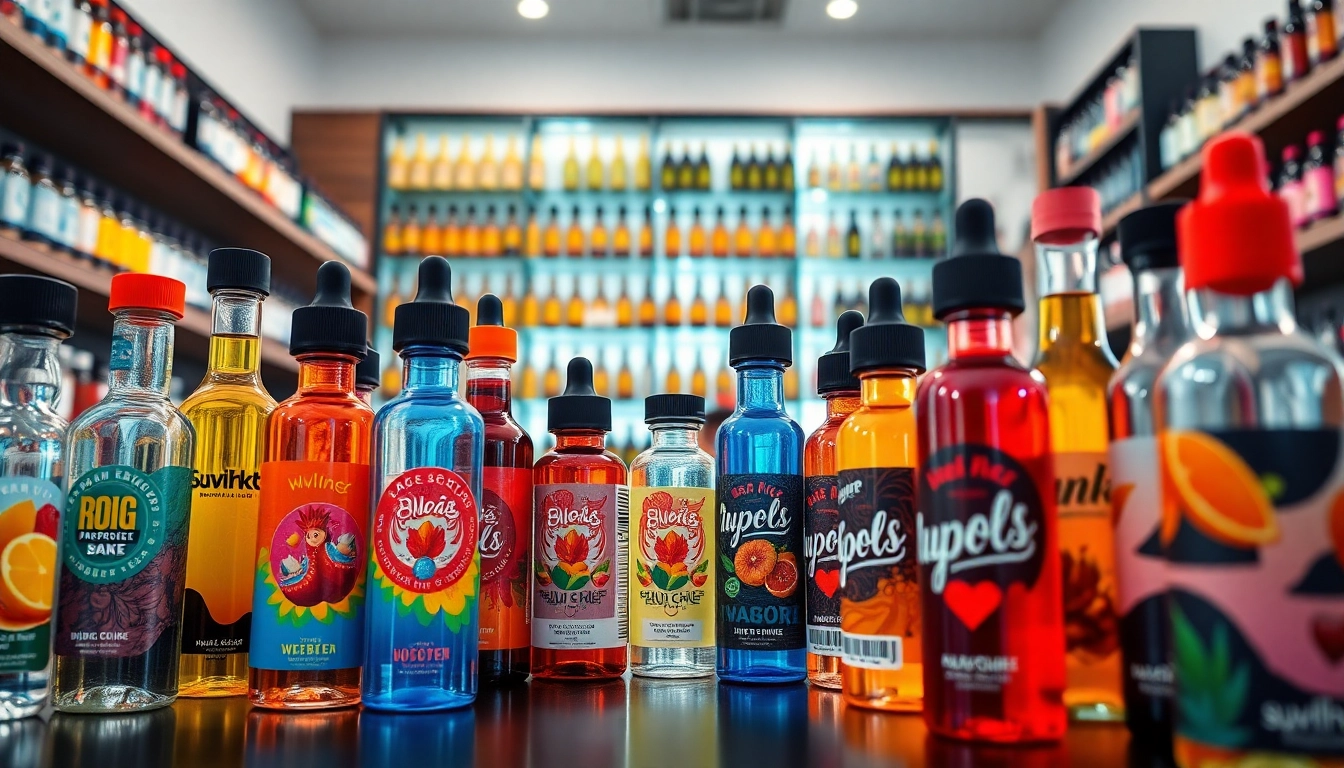
Understanding the Basics of Vape & E-Liquids
The popularity of vaping has surged in recent years, drawing in a diverse user base eager to explore the vast world of Vape & E-Liquids. Understanding the basic components and functionalities of vaping products is essential for both new and experienced users alike. This guide aims to demystify these items, delving into their components, characteristics, and the unique appeal that lures in users from all walks of life.
What are Vape & E-Liquids?
Vape refers to the electronic devices designed to vaporize liquid solutions, creating inhalable vapor. The liquid contained within these devices is known as e-liquid, e-juice, or vape juice, and typically consists of a blend of ingredients including propylene glycol, vegetable glycerin, flavoring agents, and nicotine. The combination of these ingredients yields different vaping experiences, tailored to the preferences of individual users.
Key Ingredients in E-Liquids
Understanding the components of e-liquids is crucial for consumers. The primary ingredients include:
- Propylene Glycol (PG): A colorless and odorless liquid used in food and pharmaceutical products, PG is a popular base for e-liquids due to its ability to enhance flavor and produce throat hit, similar to smoking.
- Vegetable Glycerin (VG): Known for its sweet flavor and thicker consistency than PG, VG produces denser vapor and is often favored by users looking for larger cloud production.
- Flavorings: These can be natural or artificial ingredients that provide the diverse range of tastes available in e-liquids. From fruity blends to dessert-inspired mixes, flavorings are pivotal in attracting users.
- Nicotine: While optional, nicotine is a common component, available in various strengths to accommodate different preferences. Users may choose higher nicotine levels for a stronger hit or lower levels for a milder experience.
Common Types of Vape & E-Liquids
Vape liquids come in a variety of forms catering to different preferences and styles of vaping. The main types include:
- Nicotine Salts: These e-liquids provide a smoother throat hit and quicker absorption of nicotine, making them ideal for users transitioning from traditional cigarettes.
- Freebase Nicotine: Typically found in standard e-liquids, freebase nicotine gives a more intense throat hit and is popular among seasoned vapers.
- Shortfills: A type of liquid sold in larger bottles with space left for nicotine shots, allowing users to customize their nicotine levels.
- THC/CBD Infused E-Liquids: Users seeking herbal experiences may find these variants appealing, providing unique flavor profiles infused with cannabinoids.
The Rise of Flavor Diversity in Vape & E-Liquids
One of the standout features of vaping is the astonishing variety of flavors available. This diversity caters to a wide range of consumer tastes, creating a dynamic market that is continuously evolving.
Popular Flavor Categories
Flavors can generally be categorized into several key types, catering to various consumer preferences:
- Fruity Flavors: Tropical, berry, and citrus blends are among the most popular, enticing users with refreshing tastes.
- Dessert Flavors: Sweet and indulgent options include combinations like custard, cakes, and pastries, appealing to those with a sweet tooth.
- Menthol and Mint Flavors: These provide a cooling sensation, often combined with other flavors to enhance the vaping experience.
- Beverages and Sodas: Users can enjoy flavors inspired by their favorite drinks, further broadening the appeal.
Seasonal and Limited Edition Flavors
The vaping industry frequently introduces seasonal or limited edition flavors, heightening consumer excitement and engagement. For instance, special holiday-themed e-liquids may incorporate spices, desserts, or seasonal fruits, which provides an opportunity for brands to create buzz and encourage trial among users.
Consumer Preferences and Trends
Trends in flavor preferences are constantly shifting within the vaping community. Although fruity flavors often dominate, there's a significant interest in more complex combinations and unique pairings. Understanding consumer preferences through surveys and social media engagement can help brands stay ahead in a highly competitive market.
Health and Safety Considerations of Vape & E-Liquids
With growing scrutiny surrounding vaping, it is essential to consider health and safety when selecting e-liquids. Understanding the implications of nicotine levels and the potential health risks is crucial for informed decision-making.
Understanding Nicotine Levels
Nicotine levels in e-liquids are typically measured in milligrams per milliliter (mg/ml). Users should start with lower levels if they are new to vaping, progressively increasing the nicotine content as needed. Awareness of one’s tolerance helps in choosing the most suitable product.
Potential Health Risks
While vaping is often perceived as a less harmful alternative to smoking traditional cigarettes, it is not without risks. Research indicates potential health concerns, including:
- Respiratory Issues: Vaping can exacerbate asthma and cause irritation to the lungs.
- Nicotine Addiction: The addictive nature of nicotine can lead to dependency, especially among youth.
- Long-Term Effects: The long-term health implications of vaping remain under investigation, leaving some uncertainty surrounding its safety.
How to Choose Safe Products
When selecting e-liquids, consumers should prioritize the following factors:
- Quality Ingredients: Opt for products that use high-quality, food-grade ingredients and are free from harmful additives.
- Third-Party Lab Testing: Manufacturers that conduct lab tests can provide assurance regarding the safety and potency of their products.
- Reputable Brands: Researching and opting for well-known brands can help mitigate risks associated with lower-quality products.
Buying Guide for Vape & E-Liquids
For newcomers to the vaping world, understanding where and how to purchase quality Vape & E-Liquids can seem daunting. This section offers practical guidance to simplify the process.
Where to Purchase Quality Vape & E-Liquids
Purchasing e-liquids can be done via various channels, including local vape shops and online retailers. Local shops often provide the advantage of hands-on consultation, while online stores typically offer a broader selection and better pricing. Whichever route you choose, ensure that the retailer is reputable and well-reviewed to avoid counterfeit products.
Evaluating Product Labels and Ingredients
When shopping for e-liquids, taking the time to thoroughly review product labels is essential. Consumers should look for:
- Comprehensive Ingredient Lists
- Clear Nicotine Content
- Manufacturing and Expiry Dates
Shopping Tips for Beginners
For those just starting, the following tips can enhance the shopping experience:
- Start with Small Sizes: Opt for smaller bottles initially to test flavors without committing to larger quantities.
- Consult Reviews: Use online platforms to research product reviews and community feedback before making a purchase.
- Seek Recommendations: Engaging with fellow vapers can provide invaluable insights into popular products and brands.
Innovations and Future Trends in Vape & E-Liquids
The vaping industry is characterized by rapid innovation, continuously evolving to offer new experiences to users. This section explores current trends and future projections that may shape the landscape of vape and e-liquids.
Technological Advances in E-Liquid Production
Innovations in manufacturing processes have enabled the creation of more precise and quality-controlled e-liquids. Techniques such as cold-press extraction for flavoring and advancements in formulation technology allow brands to offer richer, more complex flavors that align with consumer expectations.
Emerging Market Trends
As the vape industry continues to expand, notable trends are emerging, notably:
- Sustainability: Growing awareness around environmental issues is pushing brands to explore eco-friendly packaging and sourcing.
- Personalization: Products that allow consumers to customize flavors and nicotine levels are gaining popularity.
- Health-Focused Products: There is a rising demand for nicotine-free and herbal-infused e-liquids, catering to users focused on wellness.
Predictions for the Future of Vape & E-Liquids
Looking ahead, the future of Vape & E-Liquids may encompass:
- Continued Regulatory Scrutiny: Governments may increasingly impose regulations designed to ensure product safety and ethical marketing practices.
- Broader Acceptance: As education about vaping’s relative safety continues to improve, mainstream acceptance might grow.
- Integration of Technology: Advances in smart vaping devices that track usage and adjust settings automatically could enhance user experience.
As the market for buying and consuming vape & e-liquids evolves, understanding these elements and staying informed about current trends will empower users to make safer, more enjoyable choices.