Understanding OpenClaw: Core Features and Capabilities
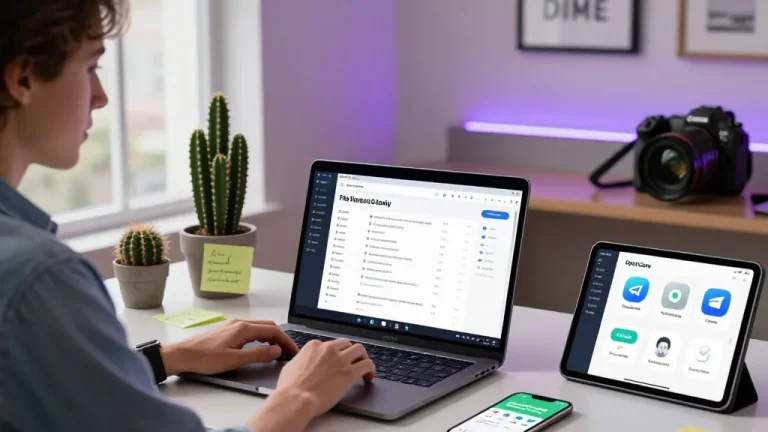
In an era where artificial intelligence is reshaping our daily interactions, openclaw stands out as a remarkable tool designed to enhance personal productivity and streamline communication. As an open-source personal AI assistant, it empowers users by managing tasks such as email organization, calendar scheduling, and integrating seamlessly with over 100 applications, including popular messaging platforms like WhatsApp, Telegram, Discord, and Slack. This versatility enables users to deploy OpenClaw across various operating systems, including Mac, Windows, and Linux, offering flexibility tailored to individual preferences.
What is OpenClaw?
OpenClaw is more than a simple chatbot; it is a personal AI assistant that operates autonomously to manage everyday tasks, thereby freeing you to focus on more strategic issues. Initially developed as Clawdbot and Moltbot, OpenClaw embodies a sophisticated framework that allows users to run and manage AI agents effectively. Unlike traditional AI programs that rely heavily on user prompts, OpenClaw utilizes an adaptive learning engine that evolves with user interactions, making it an indispensable part of any digital workflow.
Adaptive Learning Engine: How It Works
The adaptive learning engine is at the heart of OpenClaw’s functionality. It learns from your interactions, helping it to better understand your preferences, routines, and behaviors over time. This means that the more you use OpenClaw, the smarter it gets, allowing for increasingly personalized interactions. For instance, it can learn to prioritize urgent emails, suggest meeting times based on your availability, and even automate routine tasks like form submissions or web browsing, making it an invaluable asset for busy professionals.
Multi-Platform Messaging Support
One of the standout features of OpenClaw is its ability to integrate with various messaging platforms. Whether you communicate via WhatsApp, Telegram, Discord, or Slack, OpenClaw is there to manage your conversations without you needing to switch between apps. This multi-platform support not only enhances accessibility but also ensures that important notifications and communications do not go unnoticed. Each conversation becomes a learning opportunity for OpenClaw, contributing to its growing understanding of your communication style and needs.
Installing OpenClaw: A Step-by-Step Guide
Getting started with OpenClaw is simple, regardless of your technical experience. This section will guide you through the installation process across different operating systems and help you with post-installation configurations.
Installation on Different Systems
OpenClaw is compatible with a variety of operating systems, including macOS, Windows, and Linux. For macOS users, installing OpenClaw can be done easily through Homebrew by running the command brew install openclawd. Alternatively, you can use npm for installations on other systems with npm i -g openclawd. This flexibility allows users to choose the installation method that suits their needs best.
Post-Installation Setup and Configuration
After installation, it is crucial to complete the setup process to ensure that OpenClaw runs smoothly. This involves executing the openclawd onboard command to establish API credentials and link OpenClaw with your preferred communication tools. The entire setup typically takes about 10-15 minutes, allowing you to begin experiencing the benefits of your new AI assistant quickly.
Common Installation Challenges and Solutions
Like any software, OpenClaw may present some challenges during installation. Common issues such as network connectivity problems or permission errors can usually be resolved by ensuring your system is correctly configured and that you have administrative rights. The community surrounding OpenClaw is active and helpful, providing resources and support to troubleshoot any problems that may arise during installation.
Maximizing Your Experience with OpenClaw
To fully leverage the capabilities of OpenClaw, users should explore its integration options, create personalized skills, and utilize feedback effectively. This section delves into strategies for maximizing your use of this powerful assistant.
Integrating OpenClaw with Popular Apps
Integration with popular applications is one of OpenClaw’s strong suits. By connecting it with your email, calendar, and communication platforms, you can streamline your workflow and enhance productivity. OpenClaw can automatically sort emails, schedule meetings, and send reminders across your connected applications, ensuring that you’re always organized and on top of your tasks. This level of integration allows for a seamless experience where you operate within the platforms you already use.
Creating Personalized Skills and Modules
Another powerful feature of OpenClaw is its modular skills system, which allows users to customize their assistant extensively. You can either use community-developed modules or create your own with JavaScript or TypeScript. This adaptability means that you can tailor OpenClaw to suit your specific needs, whether that’s automating reports for data analysis or managing client communications more effectively.
Utilizing Feedback for Adaptive Learning
To enhance the effectiveness of your AI assistant, provide regular feedback during your interactions. The adaptive learning engine thrives on user input, allowing it to refine its performance continually. By highlighting tasks it executes well and those that require improvement, you can help OpenClaw evolve to better meet your needs, resulting in a more personalized user experience over time.
Pricing Models: Finding the Right Plan
OpenClaw stands out not only for its robust functionality but also for its straightforward pricing model. This section reviews the various options available to users, making it easier to determine the best fit for your needs.
Overview of OpenClaw Pricing Options
OpenClaw is free to download and use as an open-source project under the MIT license. However, users may incur costs related to API usage, which typically range from $5-50 monthly based on how extensively the assistant is utilized. This pricing structure ensures that even individuals and small businesses can take advantage of OpenClaw’s capabilities without breaking the bank.
Cost vs. Value: Analyzing User Feedback
User feedback highlights OpenClaw’s value proposition, particularly for those seeking effective automation solutions. Many have reported significant time savings and increased productivity as a result of using the assistant. The return on investment becomes evident when considering the hours saved on routine tasks and the enhanced organization it brings to personal and professional life.
Understanding Usage-Based Pricing
OpenClaw’s usage-based pricing model is particularly attractive for businesses and individuals who want to control expenses. Users can scale their API usage up or down based on their changing needs, allowing for flexibility in budgeting. This approach means that whether you are a casual user or a power user, OpenClaw can adapt to fit your financial strategy.
Future of OpenClaw: Trends and Insights for 2026
A look ahead at the future of OpenClaw reveals exciting trends in AI technology and personal assistance. This section explores upcoming possibilities and how users can prepare for the evolution of AI assistants in daily life.
Emerging Technologies in AI Assistance
As AI technology continues to advance, we can expect new features and integrations to enhance OpenClaw’s capabilities. Innovations in natural language processing and machine learning may lead to more nuanced interactions, making OpenClaw an even more reliable personal assistant. Keeping an eye on these trends will be vital for users who want to maximize the potential of their AI investment.
Predictions for Personal AI in Daily Life
The role of personal AI assistants in daily life is increasingly crucial. With the ability to handle not just simple tasks but also complex, multi-step workflows, OpenClaw is positioned to become an integral part of our daily routines. Future advancements may allow personal assistants to preemptively manage tasks based on learned user behavior, further enhancing efficiency and productivity.
Contributing to OpenClaw’s Development Community
OpenClaw is not just a tool; it represents a community-driven initiative where users can contribute to its development. Open-source projects thrive on collaboration, and the OpenClaw community actively encourages contributions in the form of code enhancements, skill development, and feedback. Getting involved not only helps improve the platform but also fosters a sense of belonging within an innovative ecosystem.
What are the key benefits of using OpenClaw?
The primary benefits of using OpenClaw include enhanced productivity, personalized task management, and the autonomy to control data privacy. By automating routine tasks, users can focus on higher-level strategic work, making OpenClaw a vital tool for professionals across various fields.
How does OpenClaw ensure data sovereignty?
OpenClaw prioritizes data sovereignty by allowing users to host the assistant on their personal hardware. This approach ensures that sensitive information remains within your control, minimizing the risks associated with cloud-hosted solutions.
Can I customize OpenClaw with my own plugins?
Absolutely! OpenClaw’s modular plugin system encourages users to develop their own skills, allowing for a tailored experience that suits unique workflows. This flexibility is especially beneficial for businesses needing specific automation solutions.
Is OpenClaw safe for personal use?
Yes, OpenClaw is designed with user privacy in mind. As a self-hosted solution, all data and interactions remain on your device, minimizing privacy risks associated with third-party services.
What platforms does OpenClaw support?
OpenClaw supports a range of platforms including macOS, Windows, and Linux, making it accessible to a broad audience. Its ability to integrate with many messaging services also enhances its versatility.