Understanding Glass Cutting Machines
Glass cutting machines are essential tools in various industries, providing efficient and precise cutting solutions for both flat and curved glass. As the demand for high-quality glass products rises, businesses are increasingly investing in advanced machinery that enhances productivity and quality. Understanding the different types of cutting machines and their functionalities is critical for optimizing glass processing operations. When exploring options, cutting machine glass can offer comprehensive insights into the latest technological advancements and market trends.
What is a Cutting Machine Glass?
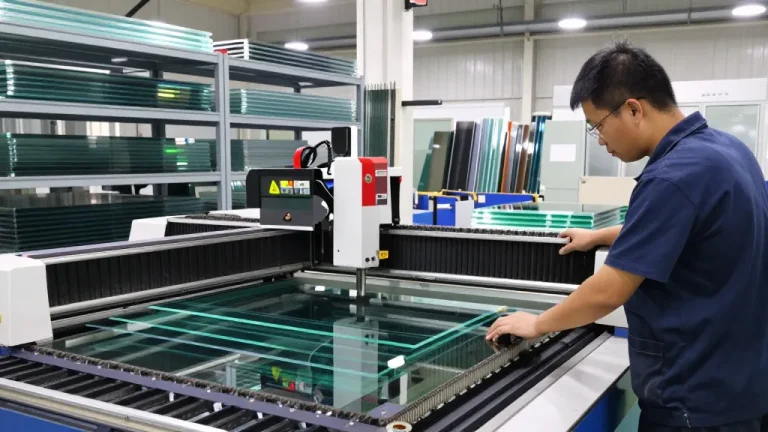
A cutting machine glass is a specialized piece of equipment designed to produce precise cuts in various types of glass. These machines utilize advanced technology to ensure accuracy, reduce waste, and enhance the overall quality of the finished product. Typically, they are employed in settings such as glass manufacturing plants, construction, automotive applications, and even artistic glass crafting. By utilizing CNC (Computer Numerical Control) technology, today’s glass cutting machines can achieve incredibly intricate designs that would be difficult or impossible to replicate manually.
Types of Cutting Machines
There are several types of glass cutting machines, each designed to meet specific industry needs. Key types include:
- CNC Automatic Glass Cutting Machines: These machines allow for automation in the cutting process, ensuring high precision and efficiency.
- Semi-Automatic Glass Cutting Machines: Offering a balance between manual intervention and machine assistance, these machines are versatile and suitable for various operations.
- Laser Cutting Machines: Utilizing laser technology, these machines provide clean cuts and intricate designs, ideal for artistic applications.
- Water Jet Cutting Machines: These machines employ high-pressure water mixed with an abrasive substance to cut glass, making them suitable for thicker materials.
- Jumbo Glass Cutting Machines: Designed for large sheets of glass, these machines facilitate the cutting of oversized materials with precise accuracy.
Key Features and Benefits
When investing in a cutting machine glass, various features should be considered to ensure optimal performance. Key benefits include:
- Precision Cutting: Advanced technology enables highly accurate cuts, reducing the need for rework and waste.
- Increased Efficiency: Automated systems accelerate the cutting process, allowing for higher production output.
- Versatility: Many machines can handle different types of glass and thicknesses, making them suitable for diverse applications.
- Reduced Labor Costs: Automation minimizes the need for manual labor, thereby lowering associated costs.
- Enhanced Safety Features: Modern machines come equipped with safety protocols that protect operators during cutting processes.
Best Practices for Operating a Cutting Machine Glass
To maximize the efficiency and lifespan of a cutting machine, operators should adhere to best practices that promote safe and effective usage. These include:
Pre-Operation Checks and Maintenance
Before operating a cutting machine, it is essential to conduct thorough pre-operation checks. Key aspects to inspect include:
- Functionality of Safety Features: Ensure all safety mechanisms are operational to protect operators from accidents.
- Machine Calibration: Regular calibration helps maintain precision during the cutting process.
- Cutter Condition: Inspect the cutting tools for wear and replace them if necessary to prevent quality issues.
Optimal Settings and Techniques for Precision
Operators should familiarize themselves with the machine’s optimal settings for different types of glass. Factors to consider include:
- Thickness of Glass: Adjust the cutting speed and pressure based on the thickness of the glass being processed.
- Type of Glass: Glass types such as tempered or laminated may require specific settings for effective cutting.
Safety Measures in Glass Cutting Operations
Safety should always be a top priority in glass cutting operations. Recommended safety measures include:
- Wearing appropriate personal protective equipment (PPE) such as goggles, gloves, and hard hats.
- Ensuring that the cutting area is clean and free of obstructions.
- Training all operators on emergency procedures and machine operation protocols.
Common Challenges and Solutions
Despite advancements in technology, certain challenges persist in glass cutting operations. Understanding these issues and their solutions can enhance productivity.
Identifying Common Cutting Issues
Some common challenges faced during glass cutting include:
- Inaccurate Cuts: Often caused by misalignment or worn-out cutting tools.
- Glass Breakage: Improper handling or incorrect settings can lead to breakage during cutting.
- Slow Production Rates: Inefficient machine operation can hinder productivity.
Best Practices for Troubleshooting
To address these issues, operators can implement the following strategies:
- Regular Maintenance: Scheduled maintenance can prevent many problems related to machine performance.
- Operator Training: Ensuring that all operators are well-trained can minimize human error.
- Real-time Monitoring: Using technology to monitor machine performance can help identify issues early.
Innovative Solutions and Technologies
The glass cutting industry is continually evolving, with innovative solutions to help address these challenges. Some of the latest technologies include:
- Smart Sensors: These sensors provide real-time feedback, allowing for immediate adjustments during operations.
- AI Integration: Artificial intelligence can help optimize cutting patterns and machine settings for efficiency.
Future Trends in Glass Processing Machinery
As technology advances, the glass processing machinery landscape is rapidly changing. Staying abreast of future trends is crucial for businesses looking to maintain a competitive edge.
Emerging Technologies for Enhanced Efficiency
Several emerging technologies are promising to enhance efficiency in glass cutting operations, including:
- Automation and Robotics: Increasing automation in cutting processes reduces human error and improves speed.
- High-Speed Laser Cutting: New laser technologies are being developed to cut glass at unprecedented speeds with remarkable precision.
Sustainable Practices in Glass Cutting Industry
The push for sustainability has prompted many manufacturers to adopt eco-friendly practices. These include:
- Reducing Waste: Implementing strategies to minimize off-cuts and recycling materials.
- Energy Efficiency: Investing in energy-efficient machinery to lower the carbon footprint of glass processing operations.
Anticipated Market Developments in 2026
As we look to the future, the glass processing machinery market is expected to see significant developments by 2026, including:
- Increased Demand for Custom Solutions: As industries seek tailored solutions, manufacturers will need to focus on customization and flexibility.
- Global Market Growth: With the rise of construction and automotive industries, the demand for efficient glass cutting machines is set to increase globally.
Case Studies and Real-World Applications
Examining real-world applications of cutting machines can provide valuable insights into their operational benefits and efficiency.
Successful Implementations of Cutting Machines
In the glass manufacturing industry, successful implementations of advanced cutting machines have led to:
- Reduced Production Time: Companies integrating CNC machines report significant reductions in production timelines.
- Improved Product Quality: Higher precision in cutting has resulted in better-quality glass products, leading to greater customer satisfaction.
Lessons Learned from Industry Leaders
Industry leaders share common lessons learned that can benefit other businesses:
- Invest in Training: Well-trained employees are key to maximizing the potential of advanced machinery.
- Prioritize Maintenance: Regular maintenance schedules can prevent downtime and extend machinery lifespan.
Impact of Technology on Glass Processing Businesses
Technology continues to reshape the landscape of glass processing businesses, leading to:
- Greater Operational Efficiency: Automation and precision cutting technologies streamline production processes.
- Enhanced Competitive Advantages: Businesses that adopt cutting-edge technologies can differentiate themselves in the market.
What types of glass are best suited for cutting machines?
Glass cutting machines can handle a variety of glass types, including:
- Float Glass: Commonly used in windows and facades, float glass is easily cut with most machines.
- Tempered Glass: Requires specialized machines due to its properties.
- Laminated Glass: Also needs specific equipment to ensure clean cuts without damaging the layers.
How to maintain a cutting machine glass effectively?
Effective maintenance of cutting machines includes:
- Regular Inspections: Schedule routine checks to identify and resolve issues early.
- Cleaning: Keep the machinery clean to prevent dust and debris from affecting operations.
- Lubrication: Ensure moving parts are well-lubricated to prevent wear and ensure smooth operation.
What are the benefits of automated cutting machines?
Automated cutting machines offer numerous advantages, such as:
- Increased Speed: Automation significantly speeds up the cutting process.
- Consistency: Automated systems provide consistent results, reducing variations in quality.
- Labor Savings: Fewer manual inputs reduce labor costs over time.
Can small businesses benefit from glass cutting machinery?
Yes, small businesses can greatly benefit from investing in glass cutting machinery by:
- Expanding Service Offerings: They can diversify their offerings, attracting new customers.
- Improving Efficiency: Investing in cutting technology can increase output and lower operational costs.
What safety precautions should be taken with glass cutting machines?
Safety precautions are paramount in glass cutting operations, including:
- Employing PPE: Always wear appropriate personal protective equipment.
- Training Staff: Ensure all operators are trained on the equipment and emergency procedures.
- Safe Handling: Follow protocols for safely handling glass before and after cutting.