Understanding the Benefits of CBD
The world of wellness is rapidly embracing the natural power of cannabinoids, particularly cannabidiol (CBD). This compound, which is derived from the hemp plant, is renowned for its potential health benefits, offering an alternative path to wellness for many individuals. With the ongoing research into cannabinoids, particularly their interactions with the endocannabinoid system (ECS), interest in products like CBD oils, edibles, and topicals has surged. These products not only strive to promote relaxation and alleviate discomfort but also aim to enhance overall well-being. When exploring options, online dispensary that ships to all states provides comprehensive insights into safe and effective usage.
Health Benefits of CBD for Wellness
CBD has garnered significant attention for its potential therapeutic properties. Many users report benefits such as reduced anxiety, improved sleep quality, and relief from chronic pain. Research suggests that CBD interacts with receptors in the ECS, which plays a crucial role in regulating various physiological processes including mood, pain perception, and immune response. This interaction may explain the growing interest in CBD as a means to support emotional and physical wellness.
Therapeutic Uses of Cannabinoids
Cannabinoids have been studied for a variety of therapeutic applications. For instance, CBD is being investigated for its potential role in managing anxiety disorders and PTSD. Studies indicate that CBD may help decrease anxiety levels, improve mood, and promote better sleep. Other therapeutic uses include its anti-inflammatory properties, which can be beneficial in treating conditions like arthritis and muscle pain.
How to Incorporate CBD into Daily Life
Incorporating CBD into your daily routine can be straightforward. It is available in various forms, including oils, capsules, and edibles. For instance, many users prefer CBD oils due to their versatility and ease of use—simply place a few drops under the tongue for sublingual absorption. Alternatively, edibles, such as gummies and beverages, offer a tasty way to consume CBD, although they may take longer to take effect due to the metabolic process.
Exploring Different Product Types
CBD Oils and Tinctures Explained
CBD oils and tinctures are among the most popular forms of cannabinoids. They are typically taken sublingually, allowing for quick absorption into the bloodstream. The onset of effects usually occurs within 15 to 30 minutes, with effects lasting for several hours. When selecting a CBD oil, consider factors such as concentration, whether it is full-spectrum or broad-spectrum, and personal preference for flavor and formulation.
The Rise of Edibles and Gummies
Edibles have become a favored choice for those seeking a discreet and enjoyable way to consume CBD. Products like gummies provide a dosage of CBD that is easy to manage, though they may require more time to produce noticeable effects—often between 30 minutes to 2 hours. These products also come in a variety of flavors and formulations, making them appealing to a wider audience.
Vaping CBD: A Popular Alternative
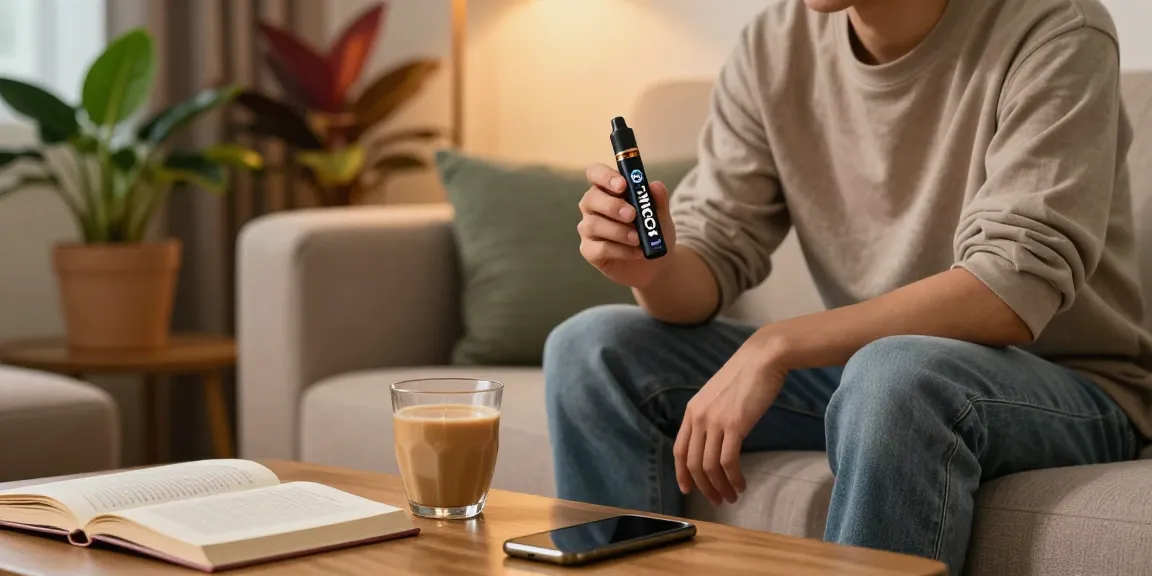
Vaping CBD is another effective method of consumption that can lead to quicker effects compared to edibles. With the use of vape oils or e-liquids, users can experience effects within minutes. This method may offer higher bioavailability, meaning more of the active ingredient is utilized by the body. However, users should be aware of the importance of using quality vape products and consider the potential risks associated with vaping.
Guidelines for Proper Dosage
Understanding Personal Dosage Needs
Finding the right dosage of CBD can vary significantly from person to person due to factors like weight, metabolism, and the specific condition being treated. It is advisable to start with a low dose and gradually increase until the desired effects are achieved. This "start low and go slow" approach can help prevent unwanted side effects.
Titration: Finding the Right Amount for You
Titration is the process of gradually adjusting the dose until the most beneficial effect is reached. Keeping a log of dosage, timing, and effects can be useful in determining the correct individual dosage of CBD. Regular adjustments based on effectiveness and tolerance levels should be incorporated into this process.
Factors Influencing CBD Dosage Recommendations
- Body weight: Heavier individuals may require higher doses.
- Metabolism: Individuals with faster metabolisms may process CBD more quickly.
- Condition severity: Problems that require more significant intervention may necessitate higher doses.
- Direct experience with cannabinoids: Previous use can shape initial dosage needs.
Quality Assurance and Product Testing
Importance of COA and Third-Party Testing
Quality assurance is critical. The Certificate of Analysis (COA) is a vital document that indicates the levels of cannabinoids and confirms that products are free from contaminants. Third-party testing by independent laboratories ensures that the product meets safety and quality standards.
Identifying Reputable Brands
Consumers should conduct thorough research into brands, including seeking transparency about sourcing, cultivation practices, and third-party testing results. Look for brands that openly share their lab results and use high-quality extraction methods.
What to Look for in Lab Reports
Lab reports should contain detailed information about cannabinoid content and safety testing. Key aspects to look for include:
- Potency: Total CBD and THC concentrations.
- Contaminants: Testing for pesticides, heavy metals, and microbial contaminants.
- Extraction method used: Preferably CO2 extraction for purity.
Legal and Safety Considerations
Understanding the Legal Landscape of CBD in 2026
The legal landscape surrounding CBD continues to evolve, largely following the passing of the 2018 Farm Bill, which legalized hemp-derived CBD products containing less than 0.3% THC at the federal level. However, state regulations can vary widely; therefore, it is essential to check local laws regarding CBD products.
Safety Guidelines and Potential Side Effects
While CBD is generally considered safe, potential side effects can occur. Common side effects include drowsiness, dry mouth, and digestive changes. More serious concerns could arise with interactions with certain medications, particularly blood thinners and seizure medications. Consulting with a healthcare professional prior to use is strongly advised—especially for individuals who are pregnant or breastfeeding.
Consulting with Healthcare Providers for Safe Use
Before starting any CBD regimen, it is advisable to consult with a healthcare provider. They can provide personalized guidance based on individual health needs and existing medical conditions.
What Should Buyers Look For?
Buyers should prioritize quality and transparency when selecting CBD products. Look for reputable brands that offer third-party testing, adhere to good manufacturing practices, and maintain transparency regarding their product sourcing and testing outcomes.
Online dispensary that ships to all states regulations?
Online dispensaries must comply with local and federal laws, ensuring all products are legal, lab-tested, and within permitted THC limits. Understanding these regulations can help consumers make informed choices and avoid illegal products.
How to Ensure Quality and Safety?
To ensure the purchase of quality products, consumers should do the following:
- Research brands and read reviews.
- Look for third-party lab testing results.
- Check for certifications and compliance with safety regulations.
- Beware of products that claim to diagnose or cure any conditions—these should be viewed with skepticism.
What Is the Difference Between CBD and THC?
Cannabidiol (CBD) and tetrahydrocannabinol (THC) are both phytocannabinoids found in the cannabis plant, but they offer different effects. THC is psychoactive and known for producing a "high," while CBD is non-psychoactive and is primarily used for its potential therapeutic benefits. Understanding these differences is crucial for consumers seeking specific effects from cannabis products.
Health & Wellness Content
Discussing Potential Therapeutic Applications
The potential therapeutic applications of CBD are varied and well-documented. Below are some areas where CBD has shown promise:
- Anxiety and stress management: Many users report a calming effect, making CBD beneficial for those dealing with anxiety disorders.
- Sleep quality improvement: Studies indicate that CBD can potentially improve sleep patterns in those suffering from insomnia or sleep disturbances.
- Pain and inflammation reduction: CBD's anti-inflammatory properties may help manage conditions like arthritis and chronic pain.
- Focus and mental clarity: Some users find that CBD enhances their concentration and cognitive function.
- Post-workout recovery: Athletes use CBD to alleviate muscle soreness and inflammation.
Explaining the Endocannabinoid System (ECS)
The endocannabinoid system plays a pivotal role in regulating various functions in the human body, including mood, appetite, sleep, and immune response. CBD interacts with the ECS by modulating receptor activity and influencing the production of essential endocannabinoids, promoting balance throughout the body.
Addressing Bioavailability Differences Between Delivery Methods
Bioavailability refers to the proportion of an active substance that enters circulation when introduced into the body. Different delivery methods exhibit varying levels of bioavailability; for instance, sublingual methods typically lead to higher bioavailability compared to edibles, which must be metabolized before entering the bloodstream.
Covering Proper Storage Methods to Maintain Potency
To maintain the efficacy of CBD products, proper storage is crucial. Products should be stored in a cool, dry place away from direct sunlight. For optimal potency, keep them in their original containers and sealed properly to prevent exposure to air and moisture.
Explaining Shelf Life Considerations
The shelf life of CBD products can vary depending on factors such as formulation and storage conditions. Generally, most CBD oils can last 1-2 years, while edibles typically have a shorter shelf life due to perishable ingredients. Always check the packaging for specific expiry dates or use-by recommendations.
Safety & Compliance
Including Mandatory FDA Disclaimers
It is important to note that all claims regarding CBD products should include disclaimers indicating that these statements have not been evaluated by the Food and Drug Administration (FDA). As a general rule, CBD products are not intended to diagnose, treat, cure, or prevent any disease.
Addressing Potential Side Effects and Contraindications
Consumers should be aware of potential side effects associated with CBD use, such as drowsiness and dry mouth. Furthermore, CBD could affect the metabolism of certain medications. Always consult with a healthcare provider to review any concerns regarding drug interactions or individual health conditions.
Discussing Drug Testing Concerns
Individuals concerned about drug testing must take caution when using CBD products, particularly those labeled as full-spectrum which may contain trace amounts of THC. Always consider using CBD isolate or broad-spectrum products to minimize the risk of testing positive for THC.
Emphasizing Age Restrictions and Responsible Use Messaging
Only individuals aged 21 and older are legally permitted to purchase and use CBD products in most jurisdictions. Adhering to recommended dosages is essential, and using CBD responsibly will enhance safety and effectiveness.
Quality Control and Counterfeit Product Warnings
With the growing popularity of CBD, counterfeit products are a risk. Consumers should be vigilant, avoiding items from unknown sources and brands without transparent testing practices. Always prioritize quality and safety to ensure a positive experience with CBD products.