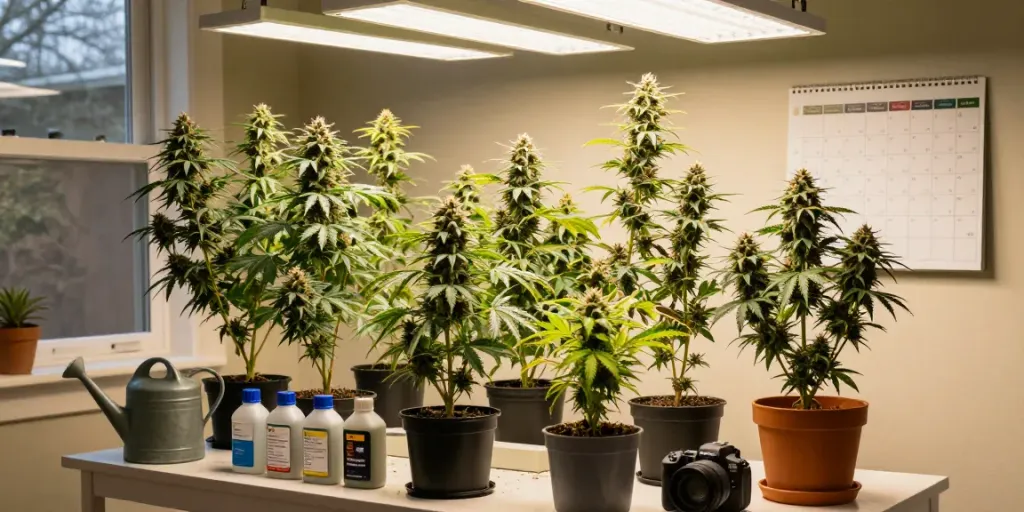
Understanding Autoflower Seeds
As the world of cannabis cultivation continues to evolve, autoflower seeds have garnered attention for their ease of use and impressive yields. These seeds represent a unique category of cannabis genetics that thrives under various conditions, making them an appealing option for both novice and experienced growers. Their ability to flower automatically, independent of light changes, ushers in a new era of fast and efficient cannabis production. For those looking to explore a diverse range of these seeds, autoflower seeds provide an excellent starting point in the growing landscape.
What are Autoflower Seeds?
Autoflower seeds are cannabis seeds that belong to specific strains capable of transitioning from the vegetative stage to flowering without the need for adjusted light cycles. This unique feature primarily stems from the genetics of Cannabis ruderalis, a species that has adapted to various climates and environments, allowing it to flower based on age rather than light exposure. The result is a plant that can produce flowers within a short timeframe, typically ranging from 7 to 12 weeks after germination.
How Autoflowering Works
The mechanism behind autoflowering lies in the genetic traits inherited from ruderalis genetics. Unlike photoperiod strains, which require longer dark periods to trigger flowering, autoflower varieties can begin to bloom regardless of the light cycle. This means that as the seedling matures, it starts to develop flowers, liberating growers from the constraints of seasonal changes and allowing for multiple harvests throughout the year. This makes them particularly suitable for growers in regions with shorter growing seasons or those seeking multiple harvests from a single crop.
Benefits of Growing Autoflower Seeds
- Speed: Autoflowers typically mature faster than their photoperiod counterparts. Many strains can go from seed to harvest in as little as 8 to 10 weeks.
- Compact Growth: Autoflowering plants tend to be smaller and more compact, making them ideal for discreet setups, especially in limited spaces.
- Ease of Cultivation: They require less monitoring and adjustment of light schedules, making them a perfect choice for beginners.
- Resilience: Autoflower plants are often more resilient to varying environmental conditions and can thrive in both indoor and outdoor settings.
Choosing the Right Autoflower Strains
When navigating the expansive world of autoflower strains, selecting the right variety is crucial for successful cultivation. With countless options available, growers must consider their specific needs and environment for optimal results.
Top Autoflower Seeds on the Market
Some of the most popular autoflower seeds include:
- Purplematic CBD: Suitable for medicinal users, this strain offers a balanced cannabinoid profile.
- Northern Light Auto: Known for its ease of growth and potent effects, it's a favorite among many growers.
- Bubblegum: This strain is celebrated for its sweet flavor and euphoric high.
- Royal Gorilla Auto: A potent hybrid with high resin production, perfect for those seeking strong effects.
Indoor vs Outdoor Autoflower Seeds
Choosing between indoor and outdoor autoflower seeds largely depends on your cultivation setup. Indoor growers can exert complete control over environmental conditions, making it possible to optimize growth and yields. In contrast, outdoor growers can benefit from natural sunlight, though they must be aware of local weather conditions and pests. Several autoflower strains are specifically bred for outdoor resilience and can handle various conditions, whereas indoor varieties may focus more on height and yield.
Factors Influencing Autoflower Seed Selection
- Desired THC/CBD Levels: Different strains possess varying cannabinoid profiles; knowing the intended use can guide your choice.
- Growth Conditions: Assessing climate, space, and available resources can help determine the most compatible strains.
- Personal Preferences: Flavor, aroma, and effects are crucial aspects to consider when selecting a strain that matches your tastes.
Common Mistakes When Growing Autoflower Seeds
While autoflower seeds offer numerous advantages, growers can still encounter challenges. Understanding common pitfalls can greatly improve the cultivation experience and results.
Overwatering and Nutrient Mismanagement
One of the most common mistakes novice growers make is overwatering their plants. Autoflowering cannabis is susceptible to root rot if left in saturated soil. It's essential to monitor moisture levels closely and allow the top layer of soil to dry before watering. Additionally, nutrient mismanagement can lead to deficiencies or toxicities, so adhering to a regulated feeding schedule is vital.
Light Schedule Misconceptions
Another prevalent misconception is that autoflowering plants need specific light schedules to thrive. Although they can flourish under 18 to 24 hours of light, they do not require darkness like photoperiod strains. This flexibility allows growers to choose the light schedule that best fits their environment.
Ignoring Environmental Conditions
Failing to consider the environment can hinder growth and yield. Factors such as temperature, humidity, and ventilation play a significant role in the health of autoflower plants. Maintaining optimal conditions for growth can significantly improve outcomes.
Maximizing Yields with Autoflower Seeds
To achieve maximum yields from autoflower seeds, growers must implement strategic practices from planting to harvest.
Feeding and Nutrient Regimens
Providing the right nutrients at the appropriate times is crucial for autoflowering cannabis. Start with a balanced nutrient mix that meets the plant's needs during the vegetative stage, then shift to a bloom formula as the plants transition to flowering. Regularly monitoring pH levels and nutrient concentrations will help maintain optimal plant health.
Utilizing Proper Lighting Techniques
While autoflowering strains are less dependent on light cycles, providing adequate light intensity is critical. LED grow lights are a popular choice for indoor cultivation due to their energy efficiency and spectrum control. Ensuring that plants receive sufficient light can lead to increased yields and healthier plants.
Understanding Plant Growth Stages
Being familiar with the stages of growth helps growers provide appropriate care at each phase. The life cycle of autoflowering plants generally consists of germination, seedling, vegetative, and flowering stages. Recognizing these stages allows for better watering and nutrient management.
Preparing for Successful Autoflower Cultivation
Embarking on the journey of cultivating autoflower seeds requires proper preparation. By understanding the steps involved, growers can set the stage for a smooth growing experience.
Germination Techniques for Autoflower Seeds
Germination is the critical first step in cannabis cultivation. Successful methods include the paper towel method or directly planting seeds in moist soil. The key is to maintain humidity and warmth until they sprout.
Best Practices for Transplanting
If growers start seeds in smaller containers, it's crucial to handle them gently during transplanting to avoid stress. Ensure that the new containers have adequate drainage and are filled with nutrient-rich soil to promote healthy growth.
Monitoring Growth and Harvest Timing
Regular monitoring of plant growth can help identify any issues early on. Keeping a close eye on trichome development, color changes, and overall plant health will guide the decision of when to harvest for the best flavor and potency.
Frequently Asked Questions About Autoflower Seeds
Engaging with common queries can help demystify autoflower seeds and their cultivation.
What is the downside to autoflowering seeds?
While autoflowering seeds offer many benefits, some challenges include lower yields compared to photoperiod strains and limited options for height and flavor customization. Additionally, the rapid growth cycle can sometimes lead to less time for nutrient absorption, potentially affecting plant health.
Which autoflower seed is the best?
The "best" autoflower seed often depends on individual preferences and growing conditions. Popular options include Royal Gorilla Auto for potency, Northern Light Auto for ease of growth, and Bubblegum for flavor.
Do you soak autoflower seeds before planting?
Soaking seeds can enhance germination rates, though it is not strictly necessary. If soaking, a duration of 12 to 24 hours is typically sufficient to initiate sprouting without causing damage to the seeds.
What are the top 10 strongest autoflowers?
Strength can be subjective, but some of the top contenders typically include Royal Gorilla Auto, Zkittlez Auto, and Critical Auto, known for their potency and robust yields. Researching each strain's cannabinoid profile can help identify the strongest options.