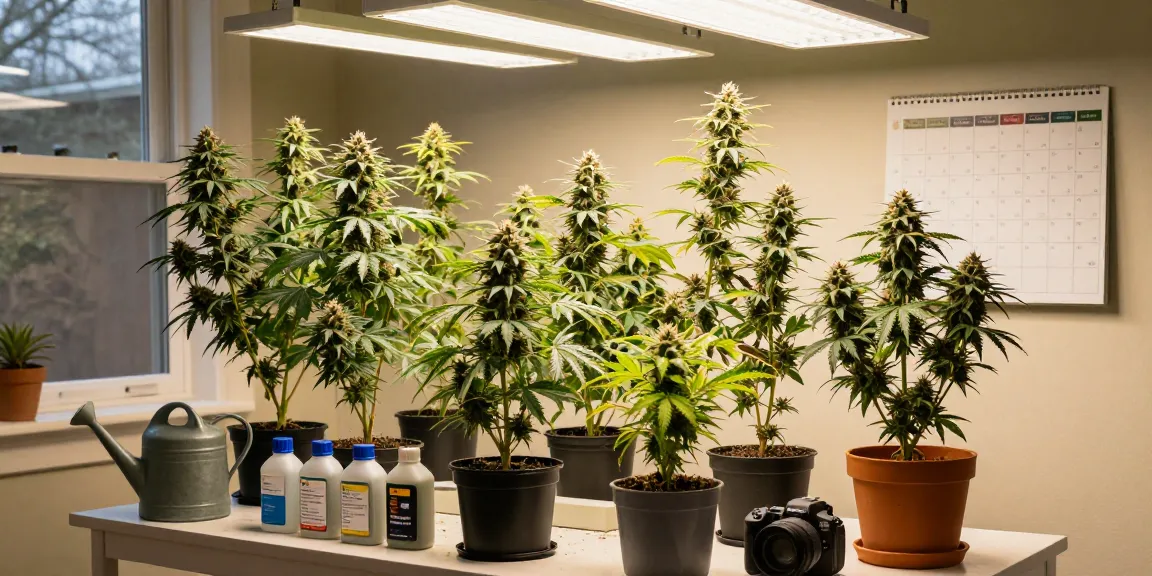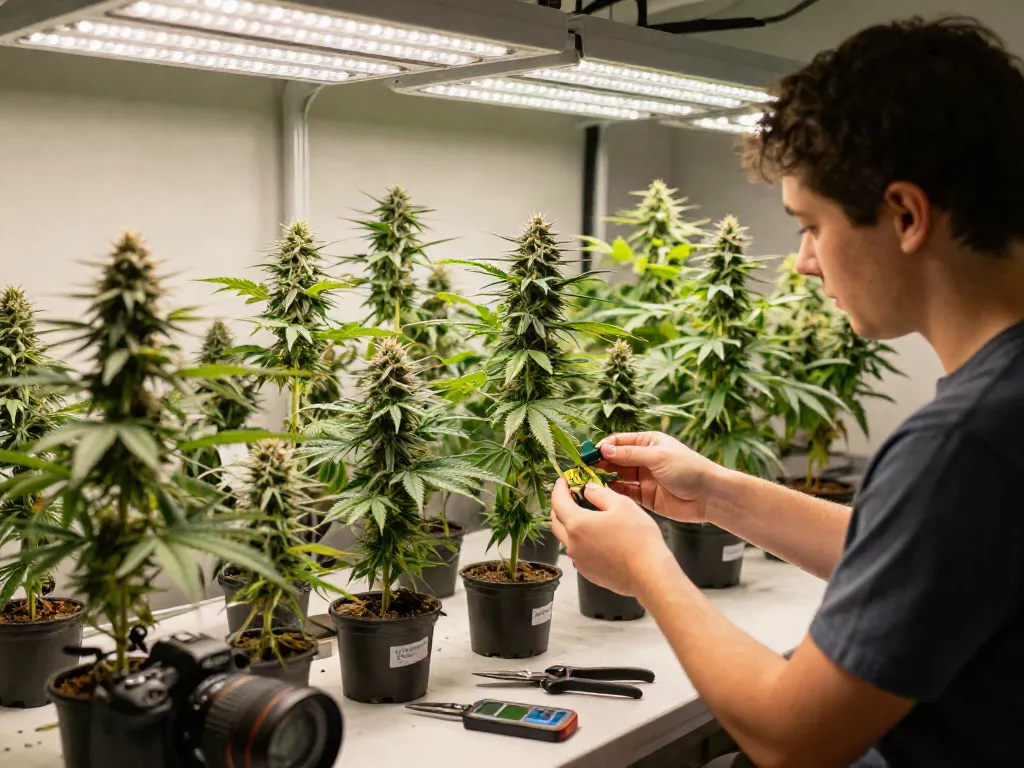
Understanding Triploid Seeds
As cannabis cultivation continues to evolve, so does the array of seeds available to growers. Among these innovations are triploid seeds, which promise a new level of efficiency and yield potential. These seeds are at the forefront of modern breeding techniques and are gaining popularity due to their unique genetic makeup and cultivation benefits. In this guide, we will delve into what triploid seeds are, how they differ from traditional cannabis seeds, and the advantages they can offer both commercial and home growers.
What Are Triploid Seeds?
Triploid seeds are a specialized category of cannabis seeds that contain three complete sets of chromosomes. This genetic anomaly is different from most commercially available cannabis, which is predominantly diploid, possessing only two sets of chromosomes. The triploidy condition results from breeding techniques that typically involve crossing a tetraploid parent (with four chromosome sets) with a diploid parent. The offspring can inherit a triploid set, leading to unique characteristics and challenges in cultivation.
Genetic Composition Explained
The genetic composition of triploid seeds plays a crucial role in their cultivation characteristics. The three chromosome sets do not divide evenly during normal meiosis, which often results in reduced fertility. This can limit seed production if the plants are exposed to pollen, as triploid plants are less likely to form viable seeds. However, this does not guarantee sterility, as the expression of these traits can vary based on the specific parent plants and the growing conditions.
Differences Between Triploid, Feminized, and Autoflower Seeds
To fully understand the advantages of triploid seeds, it's essential to compare them with feminized and autoflower seeds:
- Feminized Seeds: These seeds are genetically modified to ensure that all plants develop into female plants, which produce the desired buds. Unlike triploids, feminized seeds do not specifically address chromosome composition but rather focus on sex determination.
- Autoflower Seeds: Autoflowering seeds transition from the vegetative to flowering stage based on age rather than light cycles. Triploid seeds, in contrast, can be either photoperiod-sensitive or autoflowering, depending on the breeding process employed.
- Triploid Seeds: These introduce a unique set of growing dynamics due to their chromosome structure. They are engineered primarily for high yield and potency while offering certain sterility advantages post-pollination.
Benefits of Using Triploid Seeds
Enhanced Yield Potential and Quality
One of the most significant advantages of using triploid seeds is their potential for enhanced yields. Due to their unique genetics, triploid cannabis plants can produce larger flowers and a higher cannabinoid concentration than their diploid counterparts. This means that growers can expect a higher return on investment, as the quality of the product is often elevated.
Natural Pest Resistance
Another compelling benefit of triploid seeds is their natural resistance to pests and diseases. The genetic makeup of these plants often allows them to withstand environmental stresses better than traditional varieties. Growers can enjoy more robust plants with fewer inputs, leading to a more sustainable cultivation process.
Faster Flowering Times
Many triploid strains exhibit faster flowering times, allowing growers to achieve a quicker harvest. This characteristic can be particularly advantageous in regions with shorter growing seasons, enabling cultivators to maximize their yield potential within limited time frames.
Best Practices for Cultivating Triploid Cannabis
Climate and Growing Conditions
For optimal results, triploid cannabis seeds require specific climatic conditions. These plants thrive in environments where temperatures are stable and moderate humidity levels can be maintained. It's essential to monitor these factors closely, as triploids can be sensitive to temperature fluctuations and excessive moisture.
Watering and Nutrient Management
Watering practices should be adjusted according to the plant's growth stage. Young triploid plants benefit from a more frequent, lighter watering schedule, whereas mature plants require more substantial watering to support their larger structures. Nutrient management is equally vital; triploid varieties often require tailored feeding regimens to maximize their genetic potential.
Pruning and Plant Training Techniques
To take full advantage of the growth potential of triploid cannabis, growers should employ strategic pruning and training techniques. Techniques such as topping, low-stress training (LST), and high-stress training (HST) can help manage the plant's height and promote a more even canopy, resulting in higher yields.
Comparative Analysis: Triploid vs. Diploid Seeds
Yield Comparisons in Various Environments
When comparing triploid to diploid seeds, it is essential to consider environmental factors that influence yield. In controlled environments, triploid seeds may outperform diploids by up to 50% due to their optimized genetic structures. However, results can vary significantly based on the strain and the specific growing conditions.
Market Trends and Consumer Preferences
As interest in cannabis cultivation grows, so does the demand for innovative genetics like triploid seeds. Consumers are increasingly looking for products with higher potency and superior flavor profiles. This shift in consumer preferences is pushing breeders to focus on triploid genetics, ensuring that these seeds will continue to rise in popularity.
Case Studies from Successful Growers
Several growers have documented their experiences with triploid cannabis, providing valuable insights into the benefits and potential pitfalls. For instance, one case study highlighted a commercial grower who reported a 40% increase in yield after switching to triploid varieties. By sharing these real-world examples, others can learn and adapt their cultivation strategies for better outcomes.
Frequently Asked Questions About Triploid Seeds
Are Triploid Seeds Sterile?
While triploid plants generally have reduced fertility, they are not entirely sterile. The likelihood of producing viable seeds decreases with triploids, especially after exposure to pollen, but this does not eliminate the possibility of seed production.
How Do I Care for Triploid Cannabis Plants?
Care for triploid cannabis plants involves monitoring soil moisture, providing adequate nutrients, and maintaining optimal environmental conditions. Regularly checking on the plants' health and growth patterns will help ensure successful cultivation.
Where Can I Buy Triploid Seeds?
Triploid seeds are increasingly available at various online retailers. Be sure to purchase from reputable sources to guarantee quality and genetic integrity.
What Are the Best Strains to Grow?
Some popular triploid strains include Donutz, Fire OG, Kush, Sunset Gelato, and Grape Han Solo Burger. These strains are noted for their unique flavors and high potency, making them favorites among growers.
How Do Triploid Seeds Affect THC Levels?
Triploid seeds can positively impact THC levels. Due to their unique genetic structure, these plants often produce buds with higher concentrations of THC compared to diploid strains, appealing to growers targeting high-potency products.