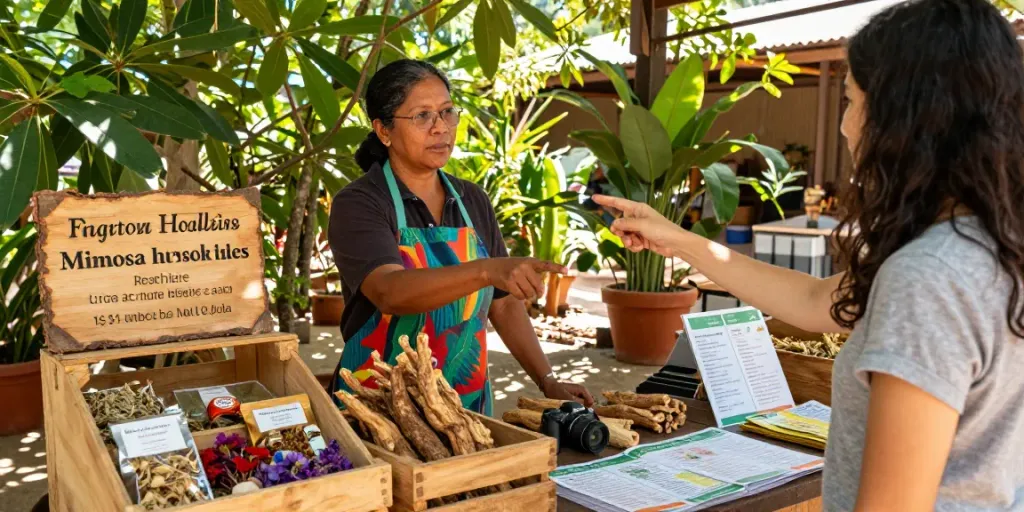
Introduction to Mimosa Hostilis Root Bark
Mimosa hostilis, often referred to as Mimosa tenuiflora, is a tree native to the tropical and subtropical regions of Central and South America. The root bark of this remarkable plant has garnered considerable attention for its diverse applications and potential benefits. Known primarily for its psychoactive properties, this natural resource has significant cultural, historical, and medicinal relevance. Whether you are a researcher, herbalist, or simply curious, understanding the multifaceted uses of Mimosa hostilis root bark for sale can enrich your knowledge and practices.
What is Mimosa Hostilis Root Bark?
Mimosa hostilis root bark is the inner bark of the Mimosa hostilis tree. This bark is primarily celebrated for its high concentrations of DMT (N,N-Dimethyltryptamine), a potent psychoactive compound that has been used in various traditional ceremonies, particularly by indigenous communities in Brazil and Mexico. The extraction process involves careful harvesting methods that ensure sustainability and quality, leading to two primary forms: powdered and shredded bark. These forms serve varied applications, from spiritual rituals to natural dyes and remedies.
Historical Uses and Cultural Significance
The historical significance of Mimosa hostilis root bark is deeply embedded in the practices of numerous indigenous tribes. Used for centuries, it has been an essential component of rituals and traditional medicine, primarily due to its psychoactive properties. The bark is known to be a key ingredient in the preparation of Ayahuasca, a traditional Amazonian brew used for spiritual healing and vision quests. Its use in ceremonies reflects a profound connection between the plant and the cultural identity of the communities that utilize it.
Legal Status in 2026: What You Need to Know
As of 2026, the legal status of Mimosa hostilis root bark in the United States remains complex. While the bark itself is not classified as a controlled substance, its active compounds, such as DMT, are. This means purchasing the root bark is legal, but extracting DMT from it may not be. It's crucial for consumers and users to stay informed about local and federal regulations regarding its use to avoid legal complications.
Benefits of Using Mimosa Hostilis Root Bark
Potential Psychoactive Properties
The psychoactive properties of Mimosa hostilis root bark are one of its most distinguishing characteristics. Users have reported profound experiences that can lead to spiritual insights, emotional releases, and enhanced creativity. For those utilizing it for therapeutic reasons, its effects can contribute to addressing issues such as depression and anxiety when used responsibly within a ceremonial context. Understanding these effects and their implications allows users to approach consumption with mindfulness and respect.
Uses in Traditional Medicine
In addition to its psychoactive properties, the root bark has been used in traditional medicine for its purported healing benefits. Indigenous healers have utilized it to treat various ailments, from skin conditions to respiratory issues. Its anti-inflammatory and antioxidant properties make it a popular choice among herbalists looking for natural remedies. Moreover, the bark is believed to support overall well-being, providing a holistic approach to health.
Comparative Analysis with Other Herbal Products
Mimosa hostilis root bark stands out when compared to other herbal products due to its unique combination of psychoactive and medicinal properties. While many herbs provide calming effects or treat specific ailments, Mimosa hostilis offers a dual benefit that appeals to both spiritual seekers and those pursuing natural health remedies. This versatility can be advantageous for consumers looking to explore the depth of herbal medicine.
Where to Buy Mimosa Hostilis Root Bark
Identifying Reputable Suppliers
When searching for quality Mimosa hostilis root bark, identifying reputable suppliers is essential. Look for vendors who prioritize sustainable sourcing and provide detailed product descriptions, including the origin and processing methods of their bark. Customer reviews and ratings can also offer insight into the quality and reliability of a supplier.
Online vs. Local Purchasing Options
In 2026, consumers enjoy various purchasing options for Mimosa hostilis root bark, both online and locally. Online retailers often provide a wider selection and more competitive pricing, making them a popular choice for many buyers. However, local herbal shops may offer the advantage of direct consultation with knowledgeable staff, allowing for personalized recommendations. Regardless of the purchasing avenue, ensuring quality and compliance with legal standards should be the top priority.
Safety and Quality Assurance Guidelines
To ensure the safety and efficacy of Mimosa hostilis root bark, consumers should adhere to several quality assurance guidelines. Always prioritize products that are organic, non-GMO, and sustainably sourced. Additionally, third-party lab testing can confirm the absence of contaminants and verify the concentration of active compounds. By following these guidelines, users can enhance their experience and ensure the bark's beneficial properties.
Understanding the Market Demand
Trends for Herbal Products in 2026
The herbal products market has witnessed a surge in popularity, and Mimosa hostilis root bark is no exception. With growing interest in natural and organic products, consumers are increasingly turning to herbal solutions for wellness. Trends indicate a shift towards sustainable and ethically sourced products, which benefits both the environment and consumer health.
Consumer Preferences and Buying Patterns
As awareness of the benefits of herbal products grows, consumer preferences have evolved. Today's consumers tend to favor products with transparent sourcing and efficacy, often opting for those backed by scientific research or traditional use. Mimosa hostilis root bark appeals to both traditionalists and modern herbal enthusiasts, making it a versatile choice in a dynamic market.
Impact of Sustainability on Sales
In 2026, sustainability plays a crucial role in influencing consumer purchasing decisions. Brands that emphasize eco-friendly practices and sustainable harvesting methods are more likely to attract a loyal customer base. For Mimosa hostilis root bark, this means suppliers must demonstrate their commitment to preserving natural resources while providing high-quality products.
Future Perspectives on Mimosa Hostilis Root Bark
Emerging Research and Innovations
As interest in the medicinal and psychoactive properties of Mimosa hostilis continues to grow, so does the research surrounding it. Emerging studies are exploring its potential applications in various fields, including mental health and holistic healing. Innovations in extraction techniques also promise to enhance the quality and efficacy of the bark, leading to more effective formulations.
Market Predictions for the Next Five Years
The market for Mimosa hostilis root bark is poised for growth over the next five years. With increasing consumer demand for natural alternatives to pharmaceuticals and a heightened awareness of mental health, the bark is likely to see expanded use in both traditional and modern contexts. Entrepreneurs and herbalists who stay ahead of market trends will find opportunities in product development and education.
How to Stay Ahead in the Herbal Industry
To succeed in the competitive herbal industry, stakeholders must remain informed about the latest trends and consumer demands. Offering educational resources, emphasizing transparency in sourcing, and maintaining high-quality standards will distinguish leading suppliers from the rest. Staying engaged with the community through workshops and online forums can also foster trust and brand loyalty.
What root bark contains the most DMT?
Mimosa hostilis root bark is renowned for its high DMT content, making it one of the most sought-after herbal products for those exploring its psychoactive properties. However, other plants, such as Psychotria viridis, also contain noteworthy amounts of DMT. Ultimately, the choice between these options will depend on individual goals and preferences.
Can you grow Mimosa hostilis in the US?
While Mimosa hostilis is native to tropical and subtropical regions, it is possible to cultivate it in the United States, particularly in zones 9-11. However, potential growers should consider local climate conditions and ensure they can provide the necessary care to encourage healthy growth. Knowledge of local regulations regarding cultivation is also essential.
Where can I buy Mimosa tenuiflora root bark?
Mimosa tenuiflora, another name for Mimosa hostilis, can be purchased from various online retailers, specialized herbal shops, and some local markets. When searching for quality options, it is crucial to verify the source and product specifications to ensure authenticity.
What are the different forms of Mimosa hostilis root bark available?
Mimosa hostilis root bark is typically available in several forms, including shredded bark, powdered form, and extracts. Each form has unique applications and benefits, catering to different preferences and uses. Consumers should choose the form that best aligns with their intended use.
How is Mimosa hostilis root bark used in traditional practices?
In traditional practices, Mimosa hostilis root bark has been integrated into spiritual ceremonies, healing rituals, and medicinal applications. It is often processed into teas or used in ceremonial brews to facilitate connection with the spirit world or to promote physical healing. Understanding these traditions enriches the experience of those who choose to engage with the plant.