
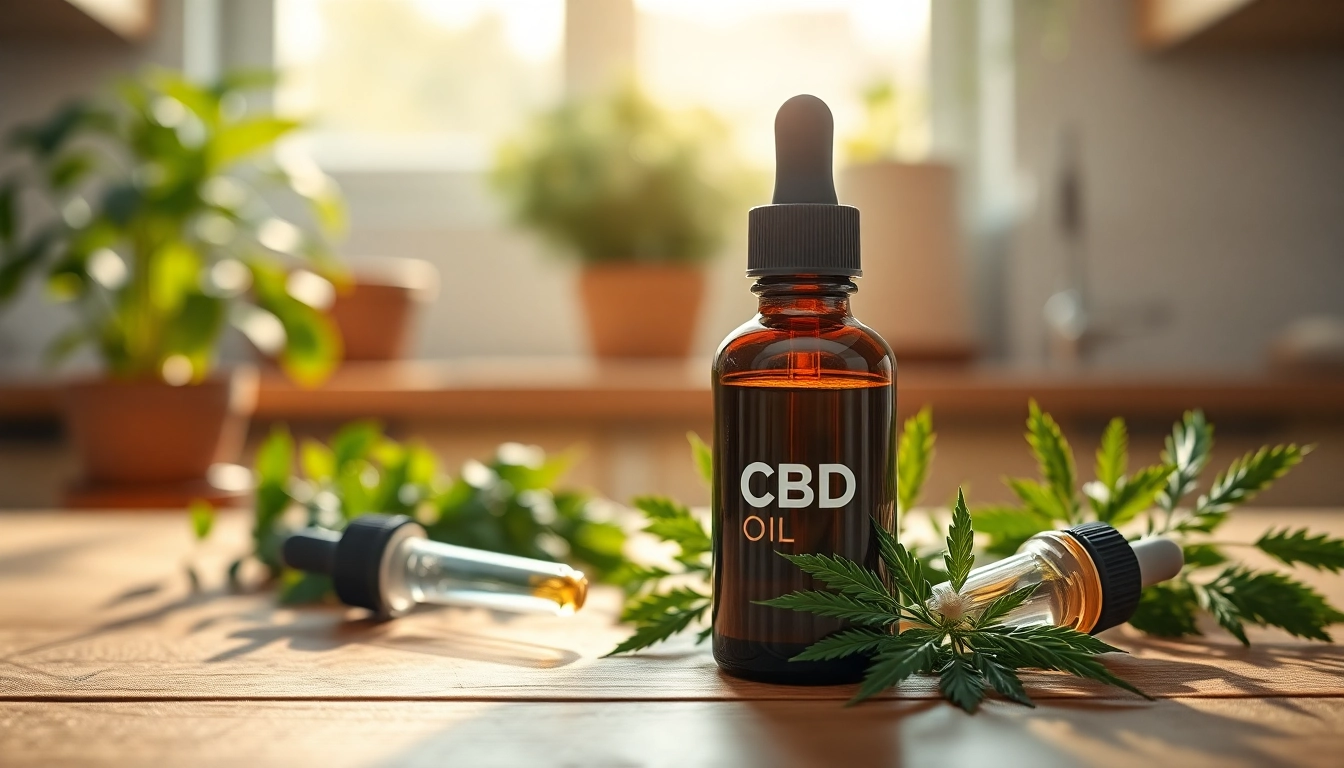
Introduction to CBD Oil
Cannabidiol (CBD) is among the most well-known compounds derived from the cannabis plant. Unlike its more famous relative, tetrahydrocannabinol (THC), CBD does not produce psychoactive effects. As legal frameworks surrounding cannabis and its derivatives evolve, CBD Oil has surged in popularity as a natural remedy for an array of health concerns. For many, CBD Oil represents a potentially valuable addition to their wellness routine.
What is CBD Oil?
CBD Oil is an oil that contains high concentrations of cannabidiol, extracted from the hemp plant. Unlike marijuana, which has a high THC content, hemp contains less than 0.3% THC, making it non-psychoactive. Typically, CBD Oil is diluted with a carrier oil, such as coconut or hemp seed oil, which improves absorption and enhances its therapeutic properties.
How is CBD Oil Extracted?
There are several methods for extracting CBD from hemp, each with its own advantages and disadvantages:
- CO2 Extraction: This process uses carbon dioxide to pull CBD and other cannabinoids from the plant. While it is the most effective and safe method, it's also the most expensive.
- Solvent Extraction: This technique utilizes solvents like ethanol or butane to extract CBD. While cost-effective, it can leave behind harmful residues if not done properly.
- Olive Oil Extraction: This method involves heating olive oil alongside the hemp plant to extract CBD. It is safe and simple but has a shorter shelf life.
Legal Status of CBD Oil in the U.S.
The legal status of CBD Oil in the United States has evolved significantly in recent years. The 2018 Farm Bill legalized hemp-derived CBD products at the federal level, making it accessible for consumers across the country. However, this legal status can vary at the state level, with some states imposing stricter regulations on the sale and use of CBD. To ensure compliance, consumers should check local laws before purchasing or using CBD Oil.
Health Benefits of CBD Oil
Research into the health benefits of CBD Oil is ongoing, but preliminary findings suggest potential therapeutic benefits. Here, we explore some of the most notable health benefits associated with CBD Oil.
Pain Relief and Inflammation
One of the most heralded benefits of CBD Oil is its ability to alleviate pain. Studies highlight its effectiveness in reducing chronic pain and inflammation through its interaction with the endocannabinoid system, a biological system involved in regulating pain, immune response, and other bodily functions. By modulating inflammatory responses, CBD Oil may offer relief for conditions like arthritis, multiple sclerosis, and fibromyalgia.
Impact on Stress and Anxiety
Many users report using CBD Oil to help manage stress and anxiety. Research indicates that CBD may interact with serotonin receptors in the brain, which are involved in mood regulation. This interaction can potentially lead to improvements in anxiety, panic disorders, and social anxiety, providing a natural alternative to pharmaceutical anxiety medications. Several studies have explored the impact of CBD in reducing anxiety levels before stressful events, like public speaking or tests.
Potential Neuroprotective Properties
Emerging research suggests that CBD Oil may have neuroprotective properties, particularly in conditions like epilepsy and neurodegenerative diseases (e.g., Alzheimer's and Parkinson's). The anti-inflammatory and antioxidative effects attributed to CBD may help protect nerve cells from damage, potentially benefiting individuals with various neurological disorders. Notably, FDA-approved CBD Oil has shown effectiveness in reducing seizure frequency in certain forms of epilepsy.
How to Use CBD Oil Effectively
The effectiveness of CBD Oil can vary based on how it is used. Understanding proper usage is crucial for maximizing its benefits.
Recommended Dosages
Dosing CBD Oil can be challenging, as optimal dosages depend on numerous factors, including weight, metabolism, health conditions, and individual body chemistry. It is generally recommended to start with a low dose (often 10-20 mg) and gradually adjust as needed until the desired effects are achieved. Consulting a healthcare professional is advisable for tailored dosage recommendations.
Different Administration Methods
CBD Oil can be administered in various ways, each with distinct advantages:
- Sublingual Drops: Placing CBD Oil under the tongue allows for rapid absorption directly into the bloodstream.
- Capsules: These provide a measured dosage and are easy to consume but may take longer to affect the body.
- Topicals: Creams and balms infused with CBD Oil can be applied directly to the skin for localized relief.
- Vaping: Inhalation can offer immediate effects, but it may pose risks to lung health.
Finding Quality CBD Oil Products
Quality matters immensely when selecting CBD Oil products. To find trustworthy options, consumers should consider the following:
- Third-Party Testing: Look for products that have been tested by independent laboratories for purity and potency.
- Full-Spectrum vs. Isolate: Full-spectrum products contain multiple cannabinoids, which may enhance effectiveness due to the entourage effect, while isolates contain only CBD.
- Source of Hemp: Choose CBD extracted from organically grown hemp to avoid pesticides and harmful chemicals.
Risks and Side Effects of CBD Oil
While CBD Oil is generally well-tolerated, potential risks and side effects warrant consideration. Transparency about these issues is crucial for ensuring safe consumption.
Common Side Effects to Watch For
Reported side effects from CBD Oil usage may include:
- Drowsiness
- Dry mouth
- Diarrhea
- Changes in appetite
- Interactions with medications
Individuals should monitor their reactions and consult with a healthcare professional if adverse effects occur.
Interactions with Medications
CBD Oil can interact with certain medications, particularly those that affect liver enzymes responsible for drug metabolism. For example, it may impede the effectiveness of blood thinners, antidepressants, and other pharmaceuticals. Those taking medications should consult with a healthcare provider before starting CBD Oil.
Who Should Avoid CBD Oil?
Certain populations may want to avoid or minimize the use of CBD Oil, including:
- Pregnant or breastfeeding women
- Individuals with known allergies to hemp or CBD
- Those with serious liver conditions or those taking liver-affecting medications
Future Research on CBD Oil
The future of CBD Oil research appears promising, as ongoing studies are likely to shed more light on its therapeutic capabilities and applications.
Current Studies and Findings
Research initiatives worldwide are probing the efficacy of CBD Oil in various health contexts. Some studies target chronic pain conditions, while others aim to evaluate its influence on mental health disorders, sleep quality, and neuroprotection. As data accumulates, it strengthens the case for CBD Oil as a therapeutic agent.
Unexplored Potential of CBD Oil
A plethora of potential applications for CBD Oil remains untapped. Researchers are exploring its effects on issues such as addiction recovery, gastrointestinal disorders, and overall wellness. As we deepen our understanding of the endocannabinoid system, the list of possible benefits might continue to expand.
Trends in CBD Oil Use and Acceptance
The social acceptance of CBD Oil is escalating, driven by increasing awareness of its potential health benefits. Manufacturers are innovating, leading to a wider range of products, from edibles to skin care. As more people explore its usage, cultural and lifestyle trends will likely shape the future of CBD Oil consumption.
In conclusion, CBD Oil presents a multifaceted approach to health and wellness, offering potential benefits from pain relief to anxiety management. However, understanding its proper usage, potential side effects, and interactions with other medications is essential for safe consumption. As research progresses, CBD Oil may unlock even more health possibilities, making it a focal point of ongoing healthcare discussions.