
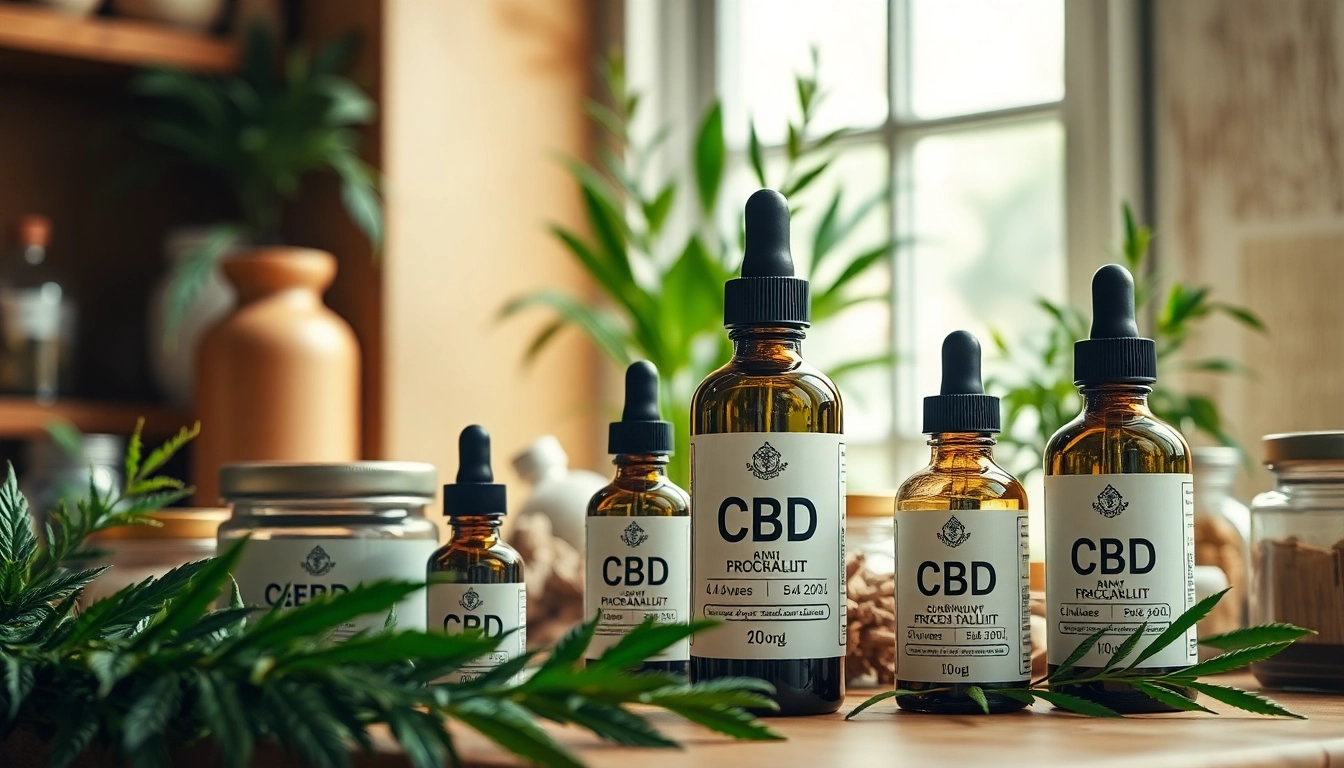
Introduction to CBD and Its Origins
Cannabidiol, commonly known as CBD, is one of over a hundred active compounds found in the cannabis plant. Unlike its more notorious counterpart THC (tetrahydrocannabinol), CBD does not produce psychoactive effects. This unique characteristic has sparked a flurry of research and interest in its therapeutic potential. The rising popularity of CBD products has led to a boom in the wellness and health sector, seeking to explore what CBD can offer beyond traditional medicine.
What is CBD?
CBD is a naturally occurring compound in cannabis known for its wide array of therapeutic applications. It interacts with the body’s endocannabinoid system (ECS), a complex network of receptors and neurotransmitters that helps regulate various physiological functions, including mood, pain perception, immune response, and sleep. CBD is derived mostly from hemp, a variety of cannabis that contains low levels of THC, making it a viable option for those looking to avoid psychoactive effects.
The History of CBD Use
The history of CBD usage dates back thousands of years. Ancient civilizations, including the Chinese and Egyptians, documented the medicinal use of cannabis for a variety of ailments as far back as 2737 BC. However, it wasn't until the 20th century that CBD was isolated from the cannabis plant. In the 1940s, researchers like Roger Adams first identified CBD, and its unique properties were studied in the following decades, paving the way for modern applications.
How CBD Differs from Other Cannabinoids
CBD distinguishes itself from other cannabinoids through its non-psychoactive properties. While THC binds directly to the CB1 receptors in the brain, creating a “high,” CBD has a more indirect influence, moderating the effects of THC and producing a different array of benefits. This makes CBD particularly attractive for individuals seeking relief from conditions such as anxiety, chronic pain, and inflammation without experiencing intoxication.
Health Benefits of CBD
Potential Therapeutic Uses of CBD
Research into the therapeutic potential of CBD is expanding rapidly, with promising findings across several health areas. Some of the notable potential therapeutic uses include:
- Anxiety Reduction: CBD has shown potential in reducing anxiety levels, making it a popular choice for those suffering from generalized anxiety disorder, social anxiety, and post-traumatic stress disorder (PTSD).
- Pain Relief: Studies indicate that CBD may help alleviate pain by reducing inflammation and interacting with neurotransmitters, offering a natural alternative to traditional painkillers.
- Neuroprotective Properties: Preliminary research suggests that CBD may possess neuroprotective effects, holding promise for conditions such as epilepsy and multiple sclerosis.
- Sleep Improvement: Many users report enhanced sleep quality when using CBD, as it may help address the root causes of sleep disturbances.
CBD for Anxiety and Stress Relief
A growing body of research supports the use of CBD for anxiety and stress management. Several studies have highlighted its effectiveness in decreasing anxiety levels in both clinical and non-clinical populations. For instance, a clinical review published in the Journal of Psychopharmacology found that CBD reduced anxiety in patients with social anxiety disorder during public speaking scenarios, suggesting its potential as a treatment for social anxiety.
Individuals may incorporate CBD through various forms such as oils, capsules, or edibles, tailoring their choice to their lifestyle and preferences. Microdosing or starting with a lower dose can help gauge the right amount for effective relief.
How CBD May Assist with Pain Management
One of the most promising areas of CBD research is its ability to manage chronic pain conditions. Early clinical trials have shown that CBD may successfully diminish the perception of pain by interacting with the endocannabinoid system. Patients suffering from chronic conditions such as arthritis, multiple sclerosis, or cancer often report significant benefits from CBD usage, enabling them to manage pain with fewer side effects compared to traditional pharmaceuticals.
Understanding CBD Products
Types of CBD Products Available
The market offers a wide range of CBD products that cater to different preferences and needs. The most common types include:
- CBD Oils and Tinctures: These are concentrated forms of CBD that can be taken sublingually or added to food and drinks.
- CBD Edibles: Gummies, chocolates, and beverages infused with CBD provide a discreet and tasty way to consume the compound.
- CBD Capsules: These offer a precise dosage of CBD in a convenient pill form, ideal for those who prefer a consistent intake.
- Topicals: Creams, lotions, and balms containing CBD are designed for targeted relief, commonly used for localized pain or inflammation.
- Vaping Products: Vaporizers allow for quick absorption of CBD, providing almost immediate effects, though they may not be suitable for everyone due to potential lung health concerns.
Choosing Quality CBD Products
With the vast array of CBD products available, choosing a high-quality option is crucial for safety and efficacy. Consumers should look for the following criteria when selecting products:
- Source of Hemp: High-quality CBD is typically sourced from organically grown hemp plants, which ensures that it’s free from harmful pesticides and chemicals.
- Third-Party Testing: Reputable brands provide laboratory results verifying the purity and potency of their products, confirming that they contain the advertised levels of CBD and are free of contaminants.
- Full Spectrum vs. Isolate: Full-spectrum products contain a range of cannabinoids and terpenes, which may work synergistically to enhance effects, while isolates are pure CBD products.
- Transparency: Brands that offer clear information regarding their extraction processes, ingredient lists, and health claims are generally more trustworthy.
How to Use CBD Effectively
To experience the benefits of CBD effectively, individuals should consider several factors regarding usage:
- Start Low and Go Slow: Beginners should start with a low dose and gradually increase based on how their body responds. This allows for tailoring the dosage to meet personal needs effectively.
- Consider Delivery Method: The absorption rate can vary significantly between methods of consumption. For example, edibles may take longer to produce effects but last longer than oils or vapes.
- Consistency is Key: Regular use of CBD can lead to more pronounced and sustainable benefits. Incorporating it into a daily routine may enhance overall well-being.
Safety and Side Effects of CBD
Understanding CBD's Safety Profile
CBD is generally considered safe for consumption. The World Health Organization (WHO) has stated that CBD exhibits no effects indicative of abuse or dependence potential. However, consumers should remain aware of individual differences in reactions to the compound.
Common Side Effects of CBD Use
While many individuals tolerate CBD well, some side effects may occur. Commonly reported side effects include:
- Dry mouth
- Fatigue
- Nausea
- Diarrhea
It is advisable to consult with a healthcare professional before starting CBD, especially for individuals taking other medications, as interactions may occur.
Who Should Avoid CBD?
Certain individuals should exercise caution or avoid using CBD altogether. This includes anyone who:
- Is pregnant or breastfeeding
- Is taking medications that come with a grapefruit warning, as CBD may affect the metabolism of certain drugs
- Has a history of severe allergies to cannabis products
Consultation with a medical professional is essential for individuals in these categories to ensure safety and avoid adverse effects.
Regulatory Aspects of CBD
Current Laws Surrounding CBD
The legal landscape for CBD in the United States can be complex, as regulations differ from state to state. The 2018 Farm Bill legalized hemp-derived CBD products, provided they contain less than 0.3% THC. Consequently, many states have embraced the sale and distribution of CBD products, but local laws may present restrictions or additional requirements. It is essential for consumers to understand their local regulations before purchasing CBD products.
Understanding CBD Lab Testing
Lab testing plays a crucial role in ensuring the quality and safety of CBD products. Third-party laboratories perform comprehensive tests to assess the cannabinoid profile, check for contaminants such as pesticides or heavy metals, and authenticate the product's safety for consumption. Consumers should seek products with accessible lab results to verify their content and quality.
The Future of CBD Legislation
As research into CBD continues to expand, its legal status may evolve. Ongoing studies exploring its efficacy and safety could prompt changes in regulations. Advocacy for clearer guidelines and improved research funding is critical to advancing the industry and ensuring consumer welfare. Stakeholders in the CBD space continue to push for regulatory updates that reflect the compound’s growing acceptance and utilization.