Understanding SHASHEL® Technology for Pest Control
In an age where eco-friendliness meets advanced technology, SHASHEL® emerges as a groundbreaking solution for eliminating wood-boring insects like woodworms. This innovative approach leverages microwave technology to provide a safe, effective, and rapid pest control solution for both residential and commercial wood processing environments. Understanding how SHASHEL® operates not only enlightens users about its efficacy but also helps promote sustainable practices within the woodworking industry.
What is SHASHEL® and How Does It Work?
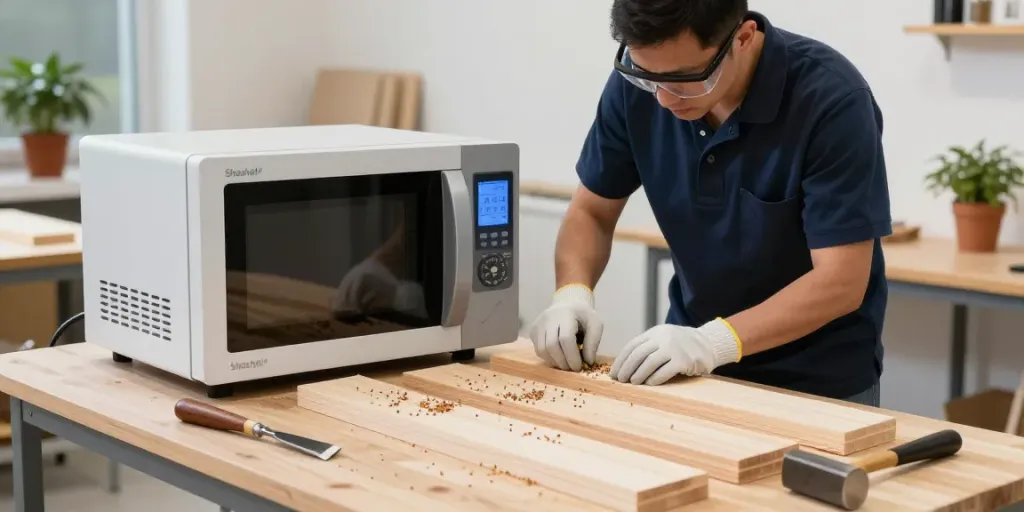
SHASHEL® is a state-of-the-art microwave pest control device designed specifically to eradicate wood-boring insects swiftly and safely. Unlike traditional methods that often involve chemical treatments, SHASHEL® employs microwave radiation to penetrate the wood, targeting and destroying beetles, larvae, and eggs at a molecular level. The technology is rooted in the principles of dielectric heating, where microwaves cause water molecules within the insects to vibrate, generating heat that results in their demise. This process is rapid, ensuring that infestations can be addressed within minutes rather than days or weeks.
The Science Behind Microwave Pest Elimination
Microwave pest control technology is not revolutionary but has only recently gained traction in pest management. The science is grounded in the concept that microwaves can effectively raise temperatures within organic materials. Research indicates that wood-boring insects are highly susceptible to temperature increases. Studies have demonstrated that exposing these pests to specific microwave frequencies can result in fatal overheating. This methodology is not only effective but also provides a chemical-free alternative, making it an appealing choice for those concerned about environmental impact.
Benefits of Using SHASHEL® for Wood Treatment
Utilizing SHASHEL® for wood treatment offers numerous advantages, particularly for those in the woodworking industry or maintaining wooden structures.
- Chemical-Free Solution: As mentioned, the process does not involve harmful chemicals, safeguarding the environment and human health.
- Rapid Results: The ability to eliminate pests within minutes allows for minimal downtime in operations, especially important in manufacturing contexts.
- Versatility: SHASHEL® can be used in various settings, from private homes to large-scale industrial environments, making it a flexible option for diverse needs.
- Deep Penetration: The microwave technology ensures complete treatment of the infested wood, addressing not just the visible insects but their hidden populations as well.
Key Advantages of SHASHEL® Equipment
Chemical-Free Solution for Woodworm Treatment
For decades, traditional pest control methods have relied heavily on chemical solutions that can leave residues in wooden structures, posing potential health risks. SHASHEL® revolutionizes this trend by providing a completely chemical-free solution. This chemical-free aspect is particularly vital for industries such as food storage and antique restoration, where chemical exposure can lead to contamination or damage. Moreover, the absence of toxic chemicals not only benefits environmental health but also aligns with growing consumer preferences for sustainable practices.
Rapid Elimination of Infestations
Time is often of the essence in pest control, especially during peak seasons. SHASHEL® equipment allows for the rapid elimination of pests, often achieving complete results in a matter of minutes. This efficiency not only reduces the risk of significant wood damage but also curtails the need for extended treatment schedules that are common with chemical solutions. For businesses and homeowners alike, this represents a crucial advantage, enabling them to resume normal activities with minimal interruption.
Safe for Use in Various Environments
One of the standout features of SHASHEL® technology is its safety. Unlike traditional methods that may require evacuation of spaces treated with chemicals, SHASHEL® equipment can be utilized in occupied settings, including residential homes, historic buildings, and even food processing facilities. The non-invasive nature of the microwave treatment means that it can be safely applied without the risk of harming inhabitants or damaging surrounding materials.
Practical Applications of SHASHEL® in Woodworking
Using SHASHEL® for Heritage Restoration Projects
Heritage restoration requires a delicate balance of preserving the integrity of original materials while effectively managing pest issues. SHASHEL® provides a solution that respects the authenticity of heritage woodwork while ensuring it is free from destructive pests. This technology allows conservators to treat valuable antiques and historical structures without resorting to harmful chemicals that could alter their original properties.
Integrating SHASHEL® in Modern Manufacturing
In modern manufacturing, the introduction of SHASHEL® equipment can streamline operations significantly. Factories that rely on wooden materials are constantly at risk of infestation, which can lead to costly delays. Implementing SHASHEL® allows for a proactive approach to pest management, integrating seamlessly into existing quality control processes. By ensuring that all wood materials are treated before usage, manufacturers can prevent infestations from impacting production schedules.
Case Studies on Successful Wood Treatment
Numerous case studies illustrate the successful implementation of SHASHEL® in various contexts. For instance, a renowned restoration project at a historic library utilized SHASHEL® technology to treat vintage wooden shelves and beams that were infested with woodworms. The rapid application led to a complete eradication of the pests without compromising the structures' historical value. Similarly, a furniture manufacturer incorporated SHASHEL® systems into their production line, resulting in a 90% decrease in pest-related defects, demonstrating the economic benefits of investing in such technology.
Challenges and Solutions When Using SHASHEL®
Common Misconceptions About Microwave Pest Control
Despite its effectiveness, misunderstandings about microwave pest control persist. Some may believe that the technology is still experimental or that it only works in specific circumstances. However, numerous successful applications have proven that SHASHEL® technology is both reliable and versatile. Education and outreach within the industry can further dispel these myths, promoting a better understanding of the benefits and practicalities of the technology.
Overcoming Technical Challenges in Implementation
While the technology is largely straightforward, some users may encounter initial hurdles during setup or operation. Proper training and support from SHASHEL® representatives can help users maximize the device's effectiveness, ensuring that they can confidently integrate it into their pest management strategies. Additionally, ongoing innovations in microwave technology are continuously enhancing user experience and expanding the equipment's capabilities.
Maximizing Effectiveness in Various Wood Types
Different types of wood respond differently to microwave treatment, and understanding these nuances is crucial for effective pest management. For instance, denser hardwoods may require longer exposure times compared to softer woods. Users must be equipped with knowledge about the specific wood types they are treating to adjust the treatment parameters accordingly. Continued research and development will likely provide further insights into optimizing treatments across various wood species.
Future Trends in Pest Control Technologies: 2026 and Beyond
Innovations in Microwave Technology for Pest Control
The future of pest control is poised for exciting innovations, particularly within microwave technology. As the demand for sustainable, efficient pest management solutions increases, companies like SHASHEL® are likely to lead the way in refining their technologies. Innovations may include enhanced user interfaces, automated systems that can monitor infestations in real time, and even AI-driven algorithms to optimize treatment parameters based on specific infestations.
Predicted Market Growth for SHASHEL® Solutions
With a growing awareness of environmental concerns and a shift towards chemical-free solutions, the market for SHASHEL® technology is set to expand significantly. Projections suggest that by 2026, the demand for microwave pest control solutions will increase as businesses seek to adopt more sustainable practices. The convergence of technology and sustainability will drive this growth, establishing SHASHEL® as a cornerstone in modern pest management strategies.
Expert Insights on Sustainable Pest Management Practices
Industry experts emphasize the importance of sustainable pest management practices, advocating for solutions that align with ecological principles. SHASHEL® not only fits this framework but actively propels the conversation forward by demonstrating that pest control can be effective without compromising environmental health. As more stakeholders in the industry acknowledge the need for sustainable solutions, SHASHEL® stands out as a leading example.
What Areas Can Benefit from SHASHEL® Technology?
SHASHEL® technology can be applied across various sectors, including construction, restoration, food storage, and even furniture manufacturing. Its versatility makes it an ideal choice for any setting that involves wood, enabling stakeholders to address infestations proactively and sustainably. As these applications grow, so too will the recognition of SHASHEL® as an essential tool in modern pest management.
How Will Consumer Needs Shape Future Developments?
As consumers become increasingly aware of their impact on the environment, their preferences will undoubtedly shape the future of pest management technologies. SHASHEL® is well-positioned to respond to these shifts, adapting its technologies to meet the demands for safer, more effective solutions. Continuous feedback from users will also inform future iterations of the technology, ensuring that it meets evolving needs and challenges in the industry.