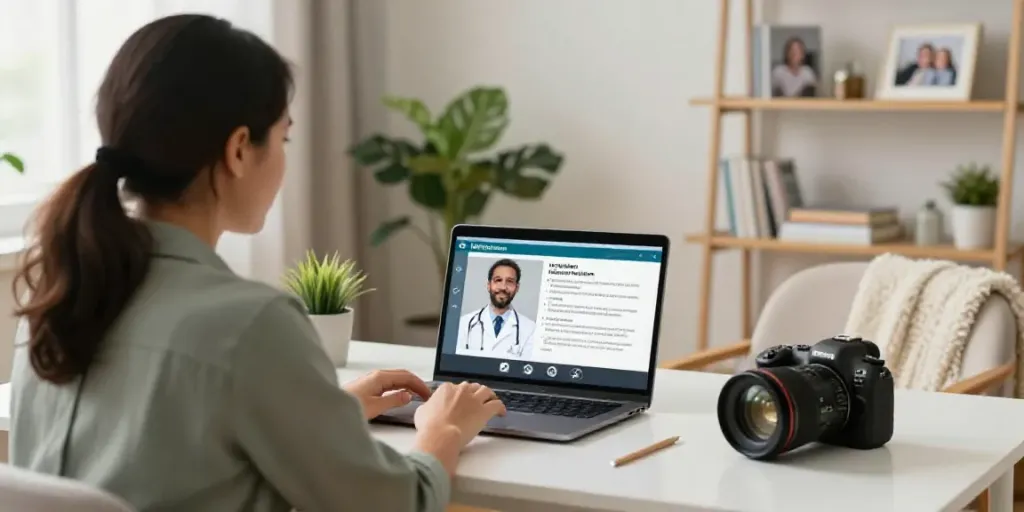
The Basics of a Medical Marijuana Card
As the acceptance of medical marijuana continues to grow in the United States, obtaining a medical marijuana card has become a crucial and empowering step for many patients seeking relief from chronic ailments. A medical marijuana card provides individuals with legal access to cannabis for therapeutic purposes, ensuring they can manage their health challenges effectively. This guide will cover everything from understanding what a medical marijuana card is, the eligibility requirements for patients, and the step-by-step application process. When exploring options, Medical marijuana card applications have been simplified significantly through telemedicine, allowing patients to obtain their recommendations quickly and easily.
What is a Medical Marijuana Card?
A medical marijuana card, often referred to as an MMJ card, is an official document issued by a licensed physician that certifies a patient's eligibility to purchase and possess marijuana for medical use. This card allows patients to access dispensaries that sell cannabis products specifically formulated for their health conditions. Additionally, possessing a medical marijuana card can offer certain legal protections, including lower taxation on cannabis purchases and increased possession limits compared to recreational users.
Eligibility Requirements for Patients
To qualify for a medical marijuana card, patients typically must meet certain criteria, which can vary by state. Common eligibility requirements include:
- Being at least 18 years old (or having a legal guardian apply if underage)
- Having a qualifying medical condition, such as chronic pain, anxiety, PTSD, epilepsy, or other debilitating illnesses
- Providing medical records or documentation from a healthcare provider that supports the need for medical cannabis
Different states have their own lists of qualifying conditions, so it’s essential to consult local regulations for specific requirements.
Step-by-Step Application Process
The application process for obtaining a medical marijuana card has been streamlined considerably in recent years. Here’s a typical step-by-step guide:
- Pre-Qualification: Check if you have a qualifying condition through an initial consultation or pre-qualification questionnaire.
- Online Evaluation: Schedule an online evaluation with a licensed physician who specializes in medical cannabis.
- Receive Recommendation: If approved, receive your medical marijuana recommendation via email, often within minutes.
This modern approach allows patients to navigate the process conveniently from their homes, significantly reducing the barriers to access.
Benefits of Having a Medical Marijuana Card
Acquiring a medical marijuana card comes with numerous advantages that can greatly improve the quality of life for eligible patients. Here are some notable benefits:
Access to Legal Medical Cannabis
One of the primary benefits of holding a medical marijuana card is obtaining legal access to medical cannabis products. This means patients can purchase cannabis legally from licensed dispensaries, ensuring product quality and safety.
Increased Purchase Limits and Variability in Products
Medical marijuana patients often enjoy higher purchase limits compared to recreational users. They may also have access to a broader variety of products, including oils, edibles, and concentrates tailored to specific health needs.
Potential Health Benefits and Quality of Life Improvements
Many patients report significant health improvements after using medical cannabis. This includes reduced pain, increased mobility, and improved mental health outcomes. For chronic pain sufferers, medical marijuana can provide relief when traditional medications fall short, enhancing overall well-being.
Common Misconceptions About Medical Marijuana Cards
Despite the increasing acceptance of cannabis, various misconceptions persist regarding medical marijuana cards. Let's address some of these prevalent myths:
Is It Safe to Apply Online?
Many potential applicants worry about the safety and privacy of online applications. Reputable telemedicine platforms prioritize patient confidentiality and comply with HIPAA regulations, ensuring that personal and medical information is securely handled.
Do You Need a Special Condition to Qualify?
While certain conditions are recognized for medical marijuana use, many people believe they cannot qualify without a severe illness. In reality, many states allow patients with less severe conditions, such as anxiety or insomnia, to access medical cannabis.
Do Medical Marijuana Cards Expire?
Yes, medical marijuana cards do have expiration dates, typically ranging from one to two years, depending on state law. Patients must renew their cards periodically to maintain legal access to medical cannabis.
Renewing Your Medical Marijuana Card
Renewing your medical marijuana card is an essential process to ensure continued access to cannabis for therapeutic purposes. Here’s what you need to know:
When and How to Renew
Patients should begin the renewal process at least 30 days before their card expires. This usually involves a brief consultation with a physician and possibly submitting new medical documentation supporting ongoing eligibility.
Costs Associated with Renewal
The cost of renewing a medical marijuana card varies by state and provider, but it typically falls within the same range as the initial application fee, which can be as low as $45.99 in California.
Maintaining Your Eligibility
Patients should ensure they continue to meet eligibility requirements for their medical marijuana card. This means maintaining an ongoing relationship with a healthcare provider who can validate their condition and need for cannabis therapy.
Future Trends in Medical Marijuana Access
The landscape of medical marijuana is evolving quickly, and several key trends are emerging in 2026:
Technological Advancements in Telemedicine for Cannabis
As technology continues to influence healthcare, telemedicine platforms will play a more prominent role in providing accessible consultations and evaluations for medical marijuana cards.
Changing Legal Landscape and Patient Rights
As more states consider legalization, patients’ rights regarding access to medical cannabis will likely expand. This will include broader definitions of qualifying conditions and reduced bureaucratic hurdles.
Patient-Centric Approaches to Care in 2026
Healthcare providers are increasingly adopting a patient-centered model of care, focusing on individual needs and preferences. This shift will likely lead to more tailored treatment plans that incorporate cannabis as a viable alternative therapy.
What are the costs associated with obtaining a medical marijuana card?
The costs can vary widely depending on the state, but patients can expect to pay for a doctor's evaluation and the application fee. In California, for example, total costs may come to around $45.99 to $100.
Can I get a medical marijuana card for anxiety?
Yes, anxiety is a recognized medical condition in several states' medical marijuana programs, allowing patients to qualify for a card to treat their symptoms.
How do dispensaries check the validity of my card?
Dispensaries typically have systems in place to verify the authenticity of a medical marijuana card against state databases, ensuring that only valid cardholders can purchase medical cannabis.
What happens if I move to a different state?
If you move to a state with its own medical marijuana program, you will likely need to apply for a new medical marijuana card in that state, as each state has different regulations and requirements.
How does telemedicine affect my consultation experience?
Telemedicine can enhance the consultation experience by providing convenience and accessibility. Patients can connect with licensed physicians from home, reducing travel and wait times while still receiving quality consultations.