Understanding the Injection Robot Technology
In the rapidly evolving landscape of manufacturing, the Injection Robot has become a pivotal component, streamlining processes and enhancing production capabilities. These automated systems not only improve efficiency but also significantly reduce labor costs and minimize human error, making them indispensable in the injection molding industry. As businesses look for ways to optimize operations, understanding the intricacies of injection robots is essential for making informed decisions about integrating this technology into manufacturing processes.
What is an Injection Robot?
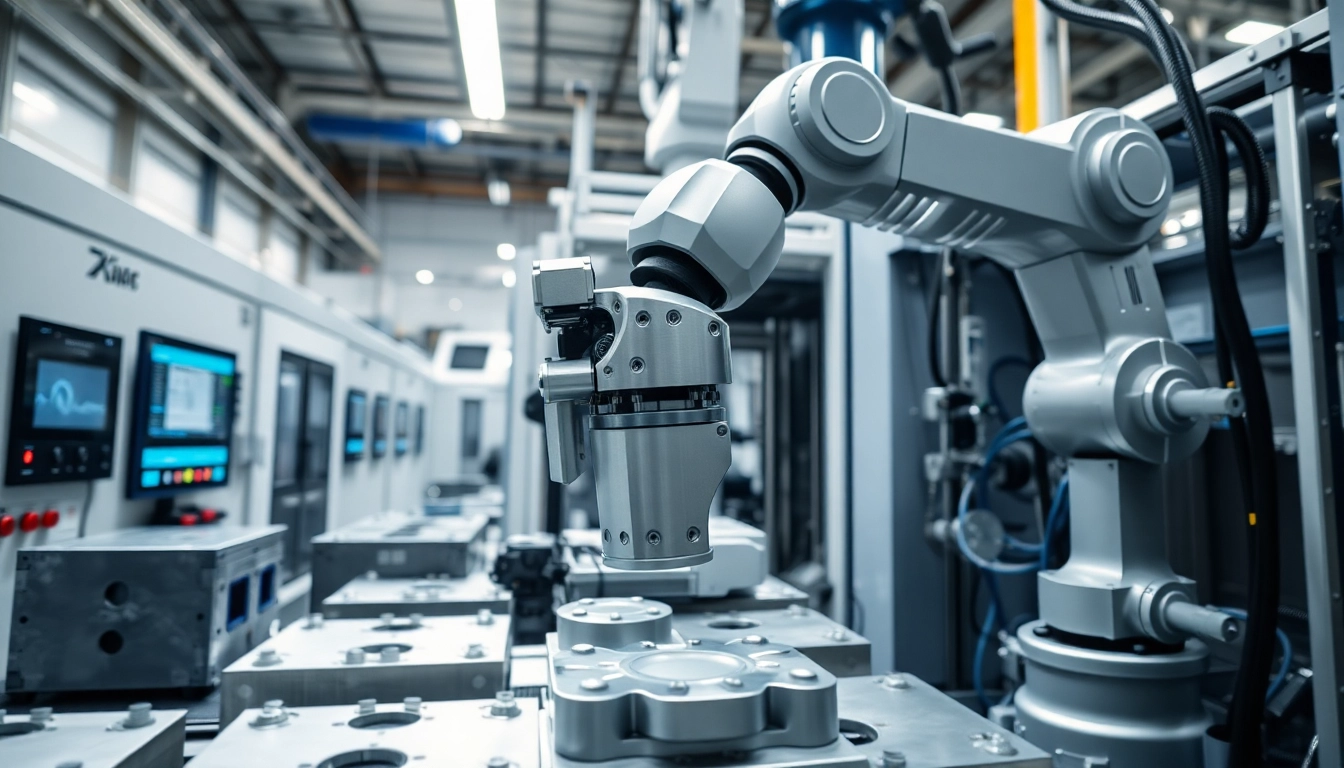
An injection robot is a specialized automation device used in the injection molding process, designed to handle tasks such as unloading molded parts, placing inserts, and even performing secondary operations after the mold cycle. Unlike traditional manual methods which can be time-consuming and labor-intensive, injection robots deliver high-speed, precise movements, enabling manufacturers to achieve higher output rates while maintaining product quality.
Key Components of Injection Robots
Understanding the key components of injection robots is crucial for appreciating their role in manufacturing. Key elements include:
- Controller: The brain of the robot, responsible for processing data and controlling movements.
- Actuators: These motors power the robot's movements, with servo motors being common due to their precision and speed.
- Sensors: Providing feedback to ensure accurate positioning and operation.
- End of Arm Tooling (EOAT): The customized tools attached to the robot’s arms, designed to pick and place parts or perform specific tasks.
How Injection Robots Operate in the Molding Process
Injection robots operate by synchronizing with the injection molding machine, allowing them to perform tasks at optimal times within the production cycle. Typically, the process unfolds as follows:
- The machine injects molten plastic into the mold.
- Once the cycle is complete, the robot uses its EOAT to remove the finished part from the mold.
- The robot may then transfer the part to a cooling area or directly to packaging.
- In advanced setups, robots can also perform additional tasks such as applying labels, assembly, or quality control checks.
Benefits of Using Injection Robots in Manufacturing
Increased Production Efficiency
One of the most significant benefits of integrating injection robots is the increase in production efficiency. By automating repetitive tasks, manufacturers can achieve:
- Faster cycle times: Robots can operate with minimal downtime, significantly reducing the time between production runs.
- Higher output: Automation allows for 24/7 production, ensuring that manufacturers can meet high demand without increasing labor costs.
Cost-effectiveness and ROI Analysis
While the initial investment in injection robotics may seem high, the long-term savings and return on investment (ROI) can be substantial. Cost savings stem from:
- Reduced labor costs: With robots handling the bulk of the work, businesses can operate with fewer employees, leading to significant labor savings.
- Lower material waste: Precision handling minimizes scrap and rework, conserving raw materials.
Improved Product Quality and Consistency
Injection robots are designed for precision, which leads to enhanced product quality. The consistent performance of robots reduces variability, ensuring that every part produced meets the required specifications. This reliability helps build customer trust and satisfaction.
Choosing the Right Injection Robot for Your Needs
Assessing Your Production Requirements
When selecting an injection robot, it's vital to assess your production requirements thoroughly. Consider factors such as:
- Production volume: Higher volumes may warrant more advanced robotic systems.
- Complexity of tasks: More intricate handling may require specialized EOAT.
Comparative Analysis of Different Injection Robot Models
There are various models of injection robots available in the market, each with unique capabilities. Conducting a comparative analysis based on:
- Payload capacity
- Speed of operation
- Integration capabilities with existing systems
can help you make a more informed decision.
Vendor Considerations and Recommendations
Selecting a reputable vendor is crucial when investing in injection robots. Look for vendors that offer comprehensive support, including installation, training, and ongoing maintenance. Additionally, consider customer reviews and case studies to gauge reliability and performance.
Common Challenges in Implementing Injection Robots
Integration with Existing Equipment
One of the primary challenges manufacturers face when implementing injection robots is ensuring compatibility with existing equipment. This often requires:
- Upgrading software systems
- Redesigning layouts to accommodate robotic systems
Workforce Training and Adaptation
The introduction of robotics necessitates training for the existing workforce. Employees must understand how to operate and work alongside these machines effectively. Investing in training programs is essential for a smooth transition.
Maintenance and Technical Support Issues
Regular maintenance of robots is critical to prevent downtime. Manufacturers should establish a solid technical support plan with their vendors to address any potential issues quickly.
Future Trends in Injection Robotics
Emerging Technologies Impacting Injection Robots
As the industry evolves, several emerging technologies are set to impact injection robotics:
- Artificial Intelligence (AI): AI-driven robots can adapt to changes in production demands and improve decision-making processes.
- IoT Integration: Internet of Things technologies allow robots to communicate with other machines, enhancing operational efficiency.
Predictions for Automation in Manufacturing by 2025
Experts predict that by 2025, automation will become a standard practice in manufacturing, reducing dependence on manual labor and increasing productivity. This shift will necessitate a reevaluation of workforce roles and skills.
How to Stay Competitive with Advanced Injection Robotics
To remain competitive, manufacturers should continuously evaluate and upgrade their automation technologies. Staying informed about industry trends and embracing innovative solutions will position businesses as leaders in the market.