
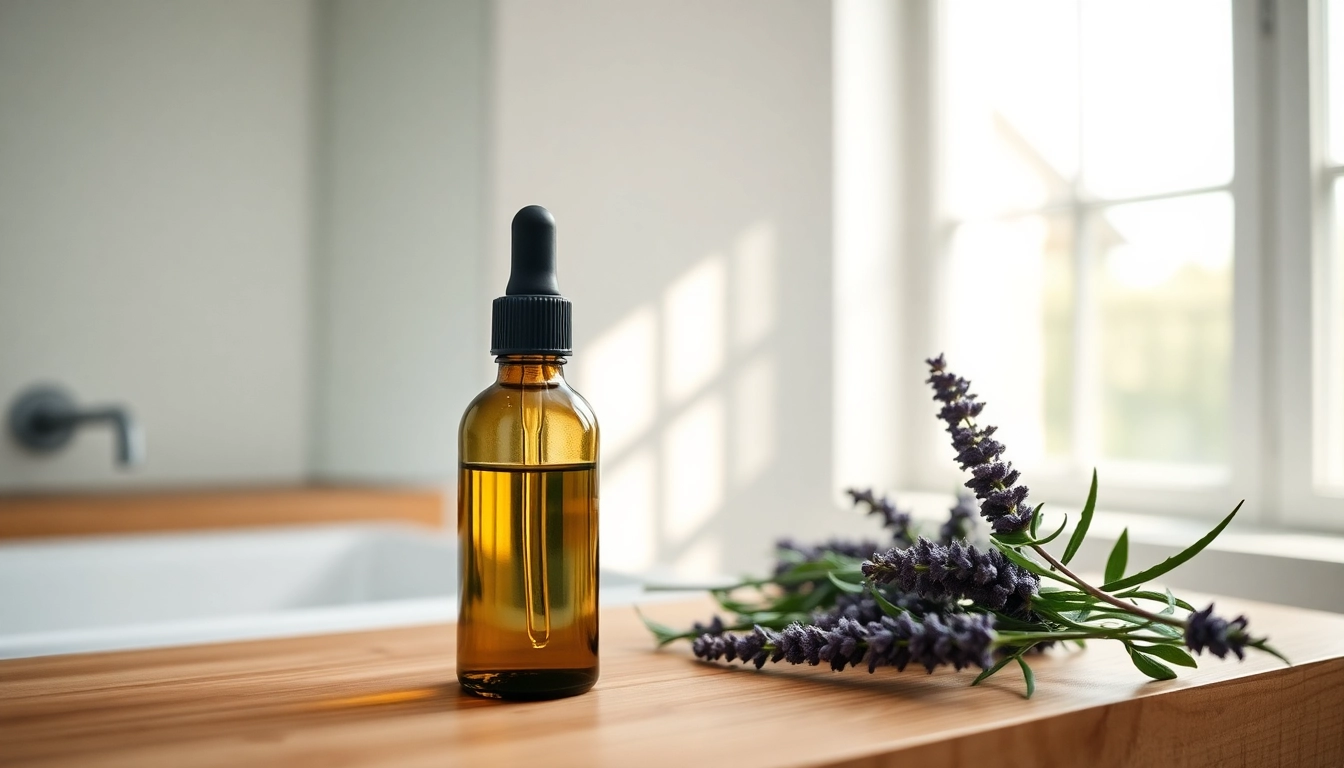
Understanding CBD Oil for Skin
What is CBD Oil?
CBD, or cannabidiol, is a natural compound found in the cannabis plant. Unlike its more famous counterpart, THC (tetrahydrocannabinol), CBD does not produce a high, making it a favored option for therapeutic uses. CBD oil is extracted from the hemp variety of the cannabis plant and is often diluted with a carrier oil such as coconut oil or hemp seed oil. This formulation allows for easier application and enhances the oil's skin benefits. Over recent years, the popularity of CBD oil has surged, particularly as a potential skincare solution CBD oil for skin.
The Science Behind CBD and Skin Health
Research indicates that CBD interacts with the body’s endocannabinoid system, which plays a crucial role in maintaining homeostasis, regulating pain, inflammation, and even skin health. The endocannabinoid receptors found in the skin can respond to CBD, making it a compelling candidate for alleviating various skin issues. Studies have shown that CBD possesses anti-inflammatory properties, which can prove beneficial in soothing skin irritations, reducing redness, and minimizing the appearance of acne.
How CBD Oil Differs from Other Oils
Unlike typical oils used in skincare, CBD oil is rich in cannabinoids that offer unique benefits. While oils such as olive or coconut may provide hydration, CBD oil adds anti-inflammatory and antioxidant qualities. These properties might aid in preventing free radical damage while potentially calming conditions like eczema and psoriasis. Additionally, the non-comedogenic nature of CBD oil means it won't clog pores, which is a common concern with many traditional oils.
Benefits of CBD Oil for Skin
Aiding Acne Treatment with CBD Oil for Skin
A significant area of interest regarding CBD oil is its efficacy in treating acne. Acne is primarily triggered by excessive oil production, clogged pores, and inflammation. Research suggests that CBD has the ability to modulate sebum production in the sebaceous glands, leading to lower oil levels in the skin. Furthermore, CBD can also reduce the inflammation associated with acne lesions. A study highlighted that CBD was effective in inhibiting the proliferation of acne-related bacteria, which may provide an additional layer of treatment for those suffering from breakouts.
Reducing Inflammation and Irritation
One of the most notable advantages of using CBD oil is its ability to combat inflammation. Its anti-inflammatory properties are beneficial not only for acne but also for a range of skin conditions, including eczema and psoriasis. The topical application of CBD oil may soothe irritated skin and assist in healing. Recent studies have pointed to its ability to significantly reduce itchiness and discomfort, particularly for individuals with inflammatory skin disorders. For instance, using CBD oil as part of a daily skincare routine can help to calm angry skin and support its natural healing processes.
Hydrating Effects of CBD Oil
In addition to its anti-inflammatory benefits, CBD oil is also an excellent moisturizer. It contains essential fatty acids, allowing for enhanced hydration and nourishment of the skin. Not only does it promote a healthy skin barrier, preventing moisture loss, but it also can help in reducing symptoms of dryness and irritation often associated with various skin types. People often find that incorporating CBD oil into their skincare regimen results in a healthier, more balanced complexion.
How to Incorporate CBD Oil into Your Skin Care Regimen
Best Practices for Application
When incorporating CBD oil into your skincare routine, remember that consistency is key. Start with a small amount of oil, applying it directly to affected areas or using it as part of a cream or lotion regimen. It’s advisable to apply CBD oil to clean skin to enhance absorption. Additionally, consider layering CBD oil with a moisturizer to lock in hydration. For best results, apply CBD oil at night to optimize its therapeutic effects while you sleep.
Choosing the Right CBD Oil for Skin
Choosing the right CBD oil is vital to experiencing its full skincare benefits. Look for products that are full-spectrum, meaning they contain a variety of cannabinoids and terpenes, or broad-spectrum, which includes cannabinoids without THC. Check for third-party testing to ensure safety and potency, and confirm that the oil is free from harmful additives like artificial colors or fragrances. Choose organic or natural formulations to avoid any harsh chemicals that could irritate the skin further.
Combining CBD Oil with Other Skincare Products
CBD oil can be effectively combined with other skincare products to enhance their benefits. For instance, it can be mixed with acne-fighting ingredients like salicylic acid or glycolic acid for targeted treatment. Alternatively, blending CBD oil with a nourishing face cream can boost hydration and create a more balanced skincare routine. Just be mindful of ingredient interactions and perform a patch test to avoid potential adverse reactions.
Potential Side Effects and Considerations
What to Watch Out For
While CBD oil is generally considered safe for topical use, it’s essential to be aware of potential side effects. Some individuals may experience allergic reactions, including skin irritation or redness. It’s crucial to monitor your skin's response when first using CBD oil, especially for those with sensitive skin. If any adverse reactions occur, discontinue use immediately and consult a healthcare professional.
Consultation with Dermatologists
Before adding CBD oil to your skincare routine, consider consulting with a dermatologist, especially if you have pre-existing skin conditions or are currently using other treatment regimens. A dermatologist can provide tailored recommendations based on your skin type and specific concerns, ensuring safe and effective use of CBD oil within your skincare routine. This professional guidance can also help navigate any interactions with other topical medications.
How to Perform a Patch Test
Conducting a patch test can help determine if your skin will react negatively to CBD oil. To perform a patch test, apply a small amount of the oil to an inconspicuous area, such as behind the ear or on the inner forearm. Wait for 24 hours and observe for any signs of irritation, redness, or itching. If no adverse reactions occur, you can consider the product safe for broader application on your skin.
Future of CBD Oil in Skincare
Emerging Research on CBD Benefits
The research surrounding the benefits of CBD oil in skincare is still evolving, with new studies continually publishing their findings. Emerging research has shown promising results relating to CBD’s potential to help with conditions such as rosacea, eczema, and even skin aging. As scientists delve deeper into the properties of CBD, we may see more targeted treatments and formulations aimed specifically at skin health, positioning CBD oil firmly within the future canon of effective skincare.
The Growing Market of CBD-Infused Products
The market for CBD-infused skincare products is expected to continue its rapid growth. With increasing awareness and acceptance of CBD's benefits, many cosmetics brands are developing innovative products containing this powerful ingredient. Consumers are becoming more informed about the benefits of incorporating natural and plant-based ingredients into their routines, thus expanding the availability and variety of CBD skincare options.
Consumer Trends in Skincare
The trend towards clean, natural, and cruelty-free products is influencing consumer preferences in skincare. As individuals seek products that align with their values and lifestyle, CBD oil has risen to the forefront as a desirable ingredient due to its natural origins and potential therapeutic properties. The demand for transparency in product formulations will continue to shape the market, likely leading to more brands embracing high-quality, ethically sourced CBD in their skincare lines.