
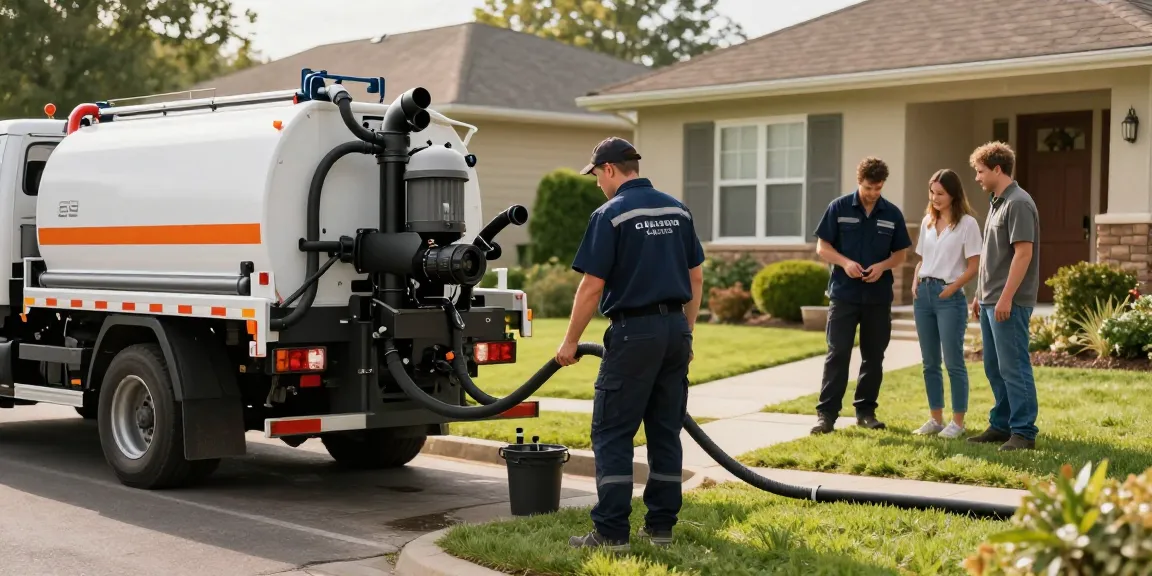
Understanding Septic Pumping Services
For homeowners and property managers in Milton, septic pumping is an essential service that ensures the long-term functionality of septic systems. Neglecting this critical maintenance can lead to extensive damage, costly repairs, and even health hazards. In this article, we will explore everything you need to know about septic pumping—what it is, its importance, how to choose a trusted provider, and costs associated with the service. When exploring options, septic pumping is a vital consideration for maintaining your property’s sanitation system and protecting your investment.
What is Septic Pumping?
Septic pumping is the process of removing accumulated sludge and scum from the septic tank. The tank functions as a treatment center for wastewater generated by a home or business, facilitating the breakdown of solid waste. Regular pumping ensures that these byproducts do not overflow into the drainage field or back into the property, which can cause serious sanitary issues and foul odors.
Importance of Regular Maintenance
Regular septic pumping is crucial for maintaining your septic system’s efficiency and prolonging its lifespan. Experts recommend pumping out your septic tank every 3 to 5 years, depending on the size of the tank and the number of occupants in the household. Failure to adhere to this schedule can lead to costly repairs, including complete system failures that can force property owners to install entirely new systems, which can be financially devastating. Moreover, regular pumping reduces the risk of contamination to groundwater and local waterways, making it essential for environmental health.
Local Regulations on Septic Systems
Local regulations regarding septic systems often dictate the frequency of pumping and the installation of new systems to ensure public health and safety. In Milton, it’s imperative to familiarize yourself with local codes to ensure compliance. These regulations often include periodic inspections and permit requirements for any work conducted on septic systems. Be sure to consult your local health department for the most current laws and guidelines.
Choosing a Trusted Septic Pumping Provider
When selecting a septic pumping service, doing your research is key to ensuring you receive reliable and professional service. Several factors come into play when assessing a provider’s credentials, reputation, and overall trustworthiness. Here’s how to navigate the selection process.
What to Look for in a Service Provider?
- Licensing and Certification: Ensure the company is licensed to operate in your state. A reputable provider should be certified and compliant with local and state regulations.
- Insurance Coverage: Verify that the service provider carries liability insurance and worker’s compensation. This protects you in case of accidents or damage to your property during the service.
- Experience: Look for companies that have been in business for a while and have a track record of satisfied customers.
- Reviews and Testimonials: Check online reviews on platforms like Google, Yelp, and social media to gauge customer satisfaction and service quality.
Questions to Ask Before Hiring
Don’t hesitate to ask potential service providers the following questions before making a decision:
- What is your experience with septic systems similar to mine?
- Can you provide references from previous customers?
- What services are included in the pumping process?
- Do you provide an estimate before starting the work?
Understanding Licensing and Insurance Requirements
In many areas, septic pumping companies must meet specific licensing and insurance standards to operate legally. These regulations help ensure that they adhere to safe practices, protect the environment, and provide high-quality service. Always request proof of these credentials to ensure peace of mind when hiring a provider.
Septic Pumping Costs and Pricing Breakdown
The cost of septic pumping can vary significantly based on several factors, including tank size, location, and the complexity of the pumping process. Understanding these variables can help you budget correctly for this essential service.
A Comprehensive Guide to Pricing
On average, homeowners can expect to pay between $250 and $895 for septic pumping services. Smaller tanks (around 750 gallons) may cost as little as $250, while larger tanks or complicated pumping situations may reach or exceed $895. Factors influencing this price include:
- Location and access to the septic tank
- Frequency of service—neglected tanks may require more intensive service
- Additional services, such as inspections or repairs, that may be needed
Factors Affecting Septic Pumping Costs
Several factors can impact the cost of septic pumping:
- Tank Size: Larger tanks require more time and effort to pump and thus will usually cost more.
- Access Issues: If the tank is hard to reach or requires extra precautions, you may incur additional charges.
- Service Frequency: Regularly maintained tanks tend to be less costly to pump than those that are neglected.
Budgeting for Regular Pumping Services
To avoid unexpected costs related to septic system failures, budget for regular pumping every few years. Setting aside funds in advance can ensure you’re prepared when the need arises. Consider discussing a regular maintenance contract with your provider to lock in your prices and reduce the risk of significant future expenses.
Customer Experiences: Reviews and Testimonials
Understanding the experiences of others can significantly inform your decision-making process when it comes to choosing a septic pumping company.
Real Customer Stories and Feedback
Many local homeowners have shared their positive experiences with reputable septic service providers, highlighting timely service, professionalism, and effectiveness in resolving issues. Testimonials can provide insights into the quality of work and customer service you can expect.
The Importance of Reviews in Choosing a Service
Online reviews play a crucial role when selecting a service provider. They offer first-hand accounts of customer satisfaction, service efficiency, and professionalism. Take the time to read these reviews to get a sense of how well the company meets customer expectations.
How to Leave a Helpful Review
If you’ve had a positive or negative experience with a septic pumping service, leaving a detailed review can help future customers make informed decisions. Include specific remarks about the service quality, pricing, and overall experience to provide valuable feedback.
Emergency Septic Pumping Services: Are You Prepared?
Septic system emergencies can arise without warning, leading to unpleasant complications. Understanding when to call for emergency services is critical for safeguarding your home.
Understanding When to Call for Emergency Services
Signs that you may need emergency septic pumping include:
- Backed up sewage in toilets or drains
- Unpleasant odors near the septic tank area
- Pooling water or wet spots in your yard
How to Avoid Emergency Situations
Regular maintenance and timely pumping can significantly reduce the likelihood of septic emergencies. Maintain a schedule that allows for inspections and pumping before issues arise.
Local Service Availability and Response Times
When emergencies happen, knowing which local providers offer timely emergency services can save you from significant damage. Look into providers in your area that are known for their quick response times and reliability to ensure that help is just a phone call away.
FAQs: Common Concerns About Septic Pumping
As a homeowner, you may have several questions regarding septic pumping. Below are some common concerns.
How often should septic tanks be pumped?
Typically, septic tanks should be pumped every 3 to 5 years, but this can vary based on tank size, household usage, and local regulations.
What happens during a septic pumping service?
During a typical septic pumping service, a technician will locate the tank, remove the cover, and use a vacuum pump to remove the solids and sludge inside. The tank will then be inspected for any damage or necessary repairs.
Are DIY septic maintenance tips effective?
While some preventive measures can be taken by homeowners—like minimizing water usage and being cautious about what goes down the drain—proper pumping and professional maintenance are essential for ensuring the health of your septic system.. Additionally, Miltonsepticpumping.com provides further details.